
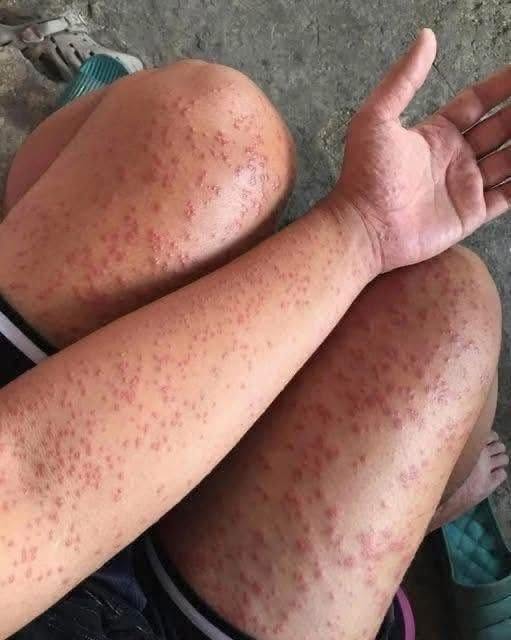
Skin changes such as hives or a rash are often harmless, but in some situations they can be an early warning sign of a serious allergic reaction. When a rash is accompanied by symptoms that affect breathing or circulation, it may indicate anaphylaxis—a severe and potentially life-threatening medical emergency that requires immediate attention. Recognizing the warning signs can make a significant difference in obtaining timely treatment.
Common symptoms of a severe allergic reaction may include widespread hives, swelling of the lips, tongue, or throat, difficulty breathing, wheezing, chest tightness, dizziness, or a rapid heartbeat. These symptoms can develop quickly and may worsen within minutes. While allergic reactions are sometimes mild, the combination of skin symptoms and breathing difficulties should never be ignored or treated as something that will simply resolve on its own.
A variety of substances can trigger severe allergic reactions. Common triggers include certain foods such as peanuts and shellfish, medications, insect stings, latex, and other allergens. In some cases, individuals may experience a serious reaction even if they have never had allergy symptoms before. Because allergic reactions can vary greatly from person to person, it is important to pay close attention to any unusual or rapidly developing symptoms.
If someone experiences symptoms consistent with anaphylaxis, seek emergency medical care immediately. If an epinephrine auto-injector has been prescribed, it should be used according to medical instructions while waiting for professional assistance. Staying with the affected person and acting quickly are important steps that can help improve outcomes. Understanding the difference between a minor skin irritation and the signs of a serious allergic reaction can play an important role in protecting your health and the health of those around you.