
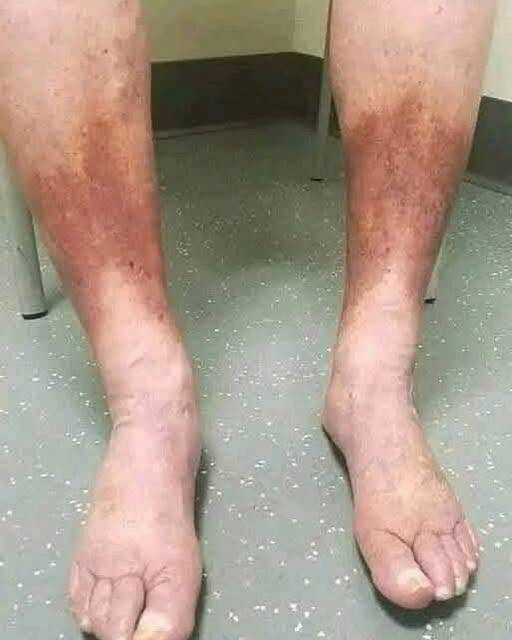
Swollen feet are a common health concern that can result from a variety of everyday factors. Long periods of standing or sitting, warm weather, excess sodium intake, and minor injuries can all contribute to temporary swelling. In many cases, fluid naturally accumulates in the lower limbs due to gravity and resolves with simple measures such as elevating the feet, staying hydrated, and incorporating gentle movement throughout the day. While occasional swelling is often harmless, it is still worth paying attention to changes in your body.
Lifestyle habits and environmental factors frequently play a role in foot swelling. Spending extended periods without movement, wearing restrictive footwear, or experiencing minor inflammation after physical activity can lead to temporary discomfort. Fortunately, simple practices like taking short walks, stretching regularly, reducing excessive salt consumption, and allowing time for rest may help improve circulation and ease mild swelling.
However, persistent or unusual swelling can sometimes signal an underlying medical condition. Swelling that affects only one foot or leg, is accompanied by pain, redness, or warmth, or develops suddenly may require prompt medical evaluation. In some situations, swollen feet can be associated with circulation issues, vein-related conditions, or other health concerns that should be properly assessed by a healthcare professional.
If swelling occurs alongside symptoms such as shortness of breath, chest discomfort, unexplained fatigue, or significant discomfort, seeking medical advice is especially important. Paying attention to these warning signs allows potential health issues to be identified and addressed early. Your feet may seem far removed from the rest of your body’s systems, but they often provide valuable clues about your overall health. Listening to those signals and seeking appropriate care when needed can make an important difference in maintaining long-term well-being.