
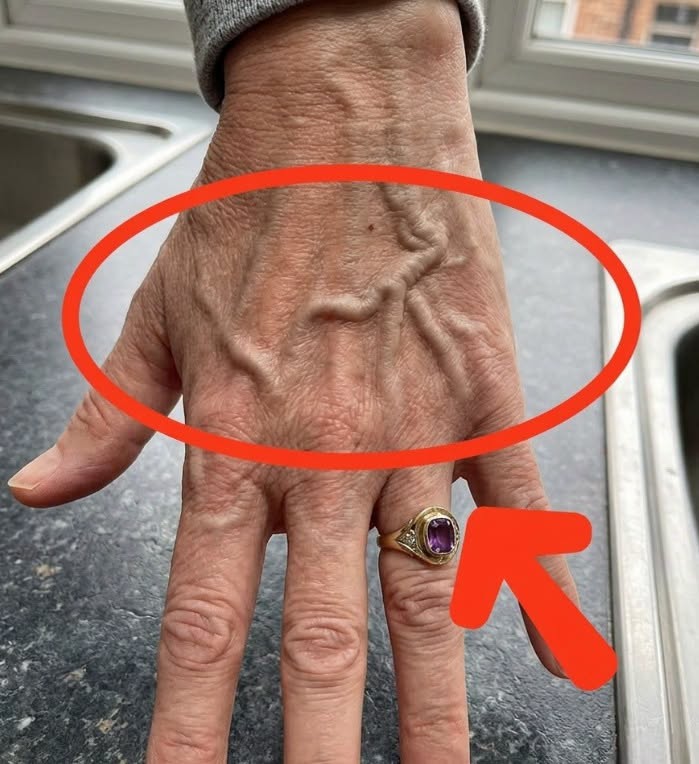
Most people don’t give much thought to their veins until they become more noticeable. Whether they appear as faint blue or green lines beneath the skin or become more prominent over time, visible veins are often a normal part of how our bodies function. Their appearance can change from day to day and is influenced by a variety of factors, including temperature, physical activity, and natural differences in body composition. In many cases, visible veins are simply a harmless characteristic rather than a cause for concern.
Everyday conditions can significantly affect how visible your veins appear. Warm temperatures cause blood vessels to expand as the body regulates heat, while exercise temporarily increases blood flow, making veins more pronounced. Individuals with lower body fat percentages may naturally have more visible veins because there is less tissue covering them. Genetics also play an important role, influencing skin thickness and the position of veins beneath the surface. As we age, the skin gradually becomes thinner and loses elasticity, which can make veins easier to see over time.
Although visible veins are usually harmless, certain changes may warrant closer attention. Enlarged or twisted veins—commonly known as varicose veins—can develop when the valves inside the veins weaken, affecting blood flow. These are more likely to occur in people who spend long periods standing, are pregnant, or have a family history of vein-related conditions. In some cases, veins that become painful, swollen, red, or warm to the touch may indicate inflammation or other circulation-related concerns that should be evaluated by a healthcare professional.
Maintaining healthy circulation can help support overall vein health throughout life. Regular physical activity, staying well hydrated, maintaining a balanced body weight, and avoiding extended periods of sitting or standing are simple habits that may make a positive difference. If visible veins become uncomfortable or raise concerns about appearance or health, medical advice can help determine whether treatment or further evaluation is appropriate. Understanding what influences vein visibility can provide reassurance while helping you recognize when it’s worth seeking professional guidance.