
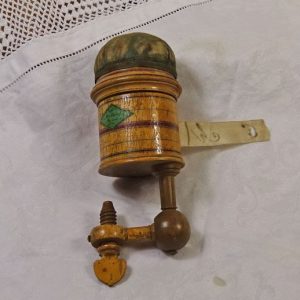
Introduction to Antique Ware Sewing Clamps
Antique ware sewing clamps captivate us with their ingenuity and craftsmanship. These small, essential devices held fabric taut during sewing, providing an extra hand to seamstresses. Over the years, these sewing clamps have become cherished collectibles, appreciated for their historical significance and intricate designs.
Historical Background
Sewing clamps date back to the 17th century. As sewing became an essential household task, the need for helpful tools grew. Early sewing clamps were simple, utilitarian devices made from wood or metal. By the 18th and 19th centuries, the design and complexity of sewing clamps evolved significantly, especially for women.
Victorian-era sewing clamps, in particular, stand out for their elaborate designs. Made from materials like brass, iron, and wood, these clamps featured decorative elements such as floral patterns, animal motifs, and even figures of women in period dress. These embellishments added aesthetic appeal and reflected the artistic trends and craftsmanship of the time.
Usage and Functionality
Sewing clamps primarily held fabric securely in place, allowing the seamstress to work with both hands free. The clamp attached to the edge of a table or sewing stand, with its adjustable jaws gripping the fabric. This setup proved especially useful for precision tasks like embroidery, hemming, and lace-making.
To use the sewing clamp, the seamstress secured it to a stable surface, placed the fabric between the jaws, and tightened it until the fabric was held firmly. This arrangement provided a stable working area, reducing hand strain and allowing for more accurate and detailed sewing.
Legacy and Collectibility
Today, collectors and sewing enthusiasts highly prize antique ware sewing clamps. They value these items not only for their practical functionality but also for their historical and aesthetic significance. Sewing clamps offer a glimpse into the domestic lives of women in the past, showcasing the tools they used and the artistry they appreciated.
Collectors often seek out unique designs or clamps made by renowned manufacturers. The clamp’s condition, rarity, and any accompanying historical documentation significantly affect its value. Museums and historical societies also preserve these items, recognizing their importance in the history of domestic arts and crafts.
Conclusion
The antique ware sewing clamp testifies to the resourcefulness and creativity of past generations. From its beginnings as a simple tool to its evolution into a decorative and functional piece of art, the sewing clamp has played a crucial role in the history of sewing. Its legacy continues today, celebrated by collectors and historians for its beauty, craftsmanship, and historical significance.