
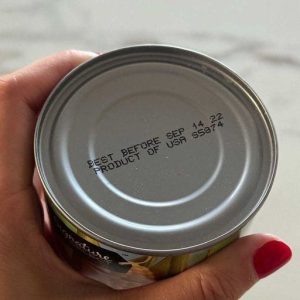
Navigating the realm of “Best By” labels, especially concerning canned products, can often confound consumers. Contrary to popular belief, these labels aren’t rigid expiration dates; instead, they indicate the period when the product maintains its optimal quality. This comprehensive guide delves into understanding and effectively utilizing canned foods like corn, green beans, and tuna, even beyond their specified dates.
Understanding ‘Best By’ Dates
It’s crucial to grasp that “best by” dates don’t denote a strict deadline for safe consumption. Rather, they estimate the duration during which the food retains its peak freshness and flavor. This is particularly true for canned items, where the products can remain safe for consumption well beyond the labeled date, provided they are stored correctly.
Canned Corn: Longevity Beyond Expectations
Canned corn, a staple in many households, boasts a remarkable shelf life beyond its “best by” date. Properly stored in a cool, dry environment with undamaged cans, it can remain safe for consumption for 1-2 years past the marked date, albeit with potential gradual quality and flavor changes.
Preserving Quality with Canned Green Beans
Similar to corn, canned green beans can also maintain their viability for 1-2 years beyond the “best by” date when stored in intact and appropriately managed cans. However, be mindful of possible texture and flavor alterations over time.
Extending Usage with Canned Tuna
Renowned for its versatility and protein content, canned tuna can be safely consumed for a significant 3-5 years beyond its “best by” date if stored correctly. Nevertheless, anticipate some quality degradation with prolonged storage.
Ensuring Safe Consumption: A Quick Checklist
Here’s a concise checklist to ensure the safety of your canned goods:
Check for any visible damage like bulging, rust, or leaks on the can.
Be wary of unusual odors or changes in appearance and texture upon opening.
When uncertain, prioritize safety and dispose of questionable products.
Maximizing Shelf Life: Essential Storage Tips
To prolong the shelf life and safety of your canned goods, adhere to these effective storage practices:
Store in a cool, dry, and dark environment.
Keep cans upright to preserve their seals.
Implement a rotation system, placing newer cans at the back and older ones at the front.
Avoid damaging the cans to maintain their integrity.
Transfer unused portions to a sealed container and refrigerate for short-term use.