
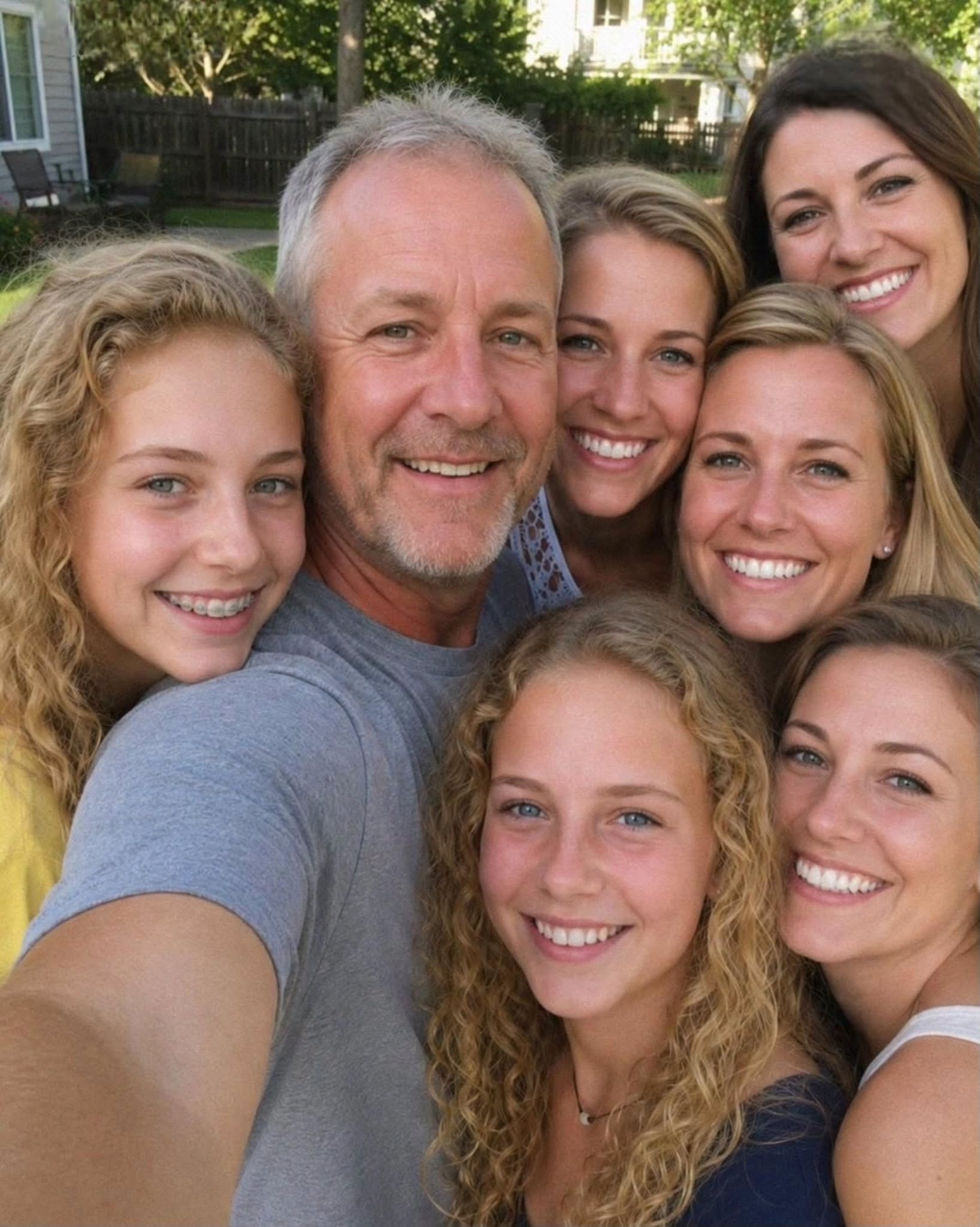
For fifteen years, I kept every returned letter, unanswered invitation, and treasured memory my daughters had hoped to share with their mother. I never saved those things out of anger or resentment. Instead, I wanted my children to know that no matter what happened, they were always loved and that I never stopped trying to keep the door open for their mother to be part of their lives. Sometimes, preserving the truth is not about revisiting pain—it’s about protecting the people we love from carrying unnecessary burdens.
Everything changed when my former wife, Maya, sent a message saying she planned to attend our eldest daughter Adele’s wedding. After years of missed birthdays, school events, and family milestones, her unexpected return brought a mixture of emotions for everyone involved. Adele, now a confident and compassionate young woman, made it clear that she did not want her wedding day overshadowed by old wounds. At the same time, she believed that acknowledging the past was an important part of moving forward with honesty and understanding.
In preparation for the wedding, Adele asked to see a box I had quietly kept for years. Inside were the letters, photographs, and invitations that had never reached their intended destination—small reminders of the efforts made to maintain a connection throughout the years. She did not want to use those memories to assign blame or create conflict. Instead, she wanted the truth of our family’s journey to exist alongside the joy of the occasion. Her maturity reminded me that healing often begins when we allow difficult stories to be told with kindness and respect.
As I watched Adele walk down the aisle, I realized that families are rarely defined by perfection. They are shaped by love, resilience, forgiveness, and the choices we make during life’s most difficult moments. While the past cannot be changed, it can be understood with compassion and honesty. That wedding became more than a celebration of a new beginning—it was a reminder that truth and grace can coexist, allowing us to honor both where we have been and the hopeful future that lies ahead.