
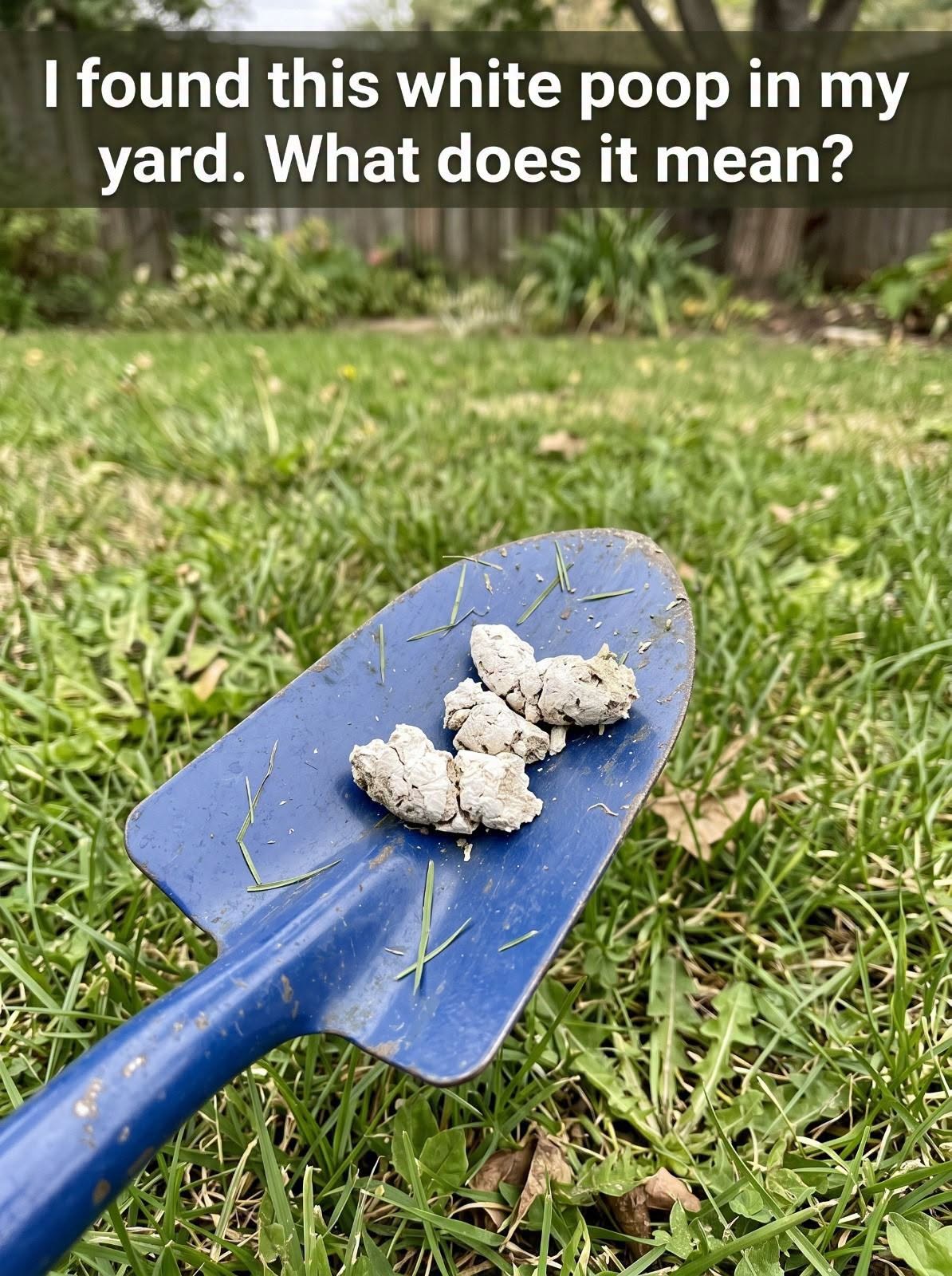
Changes in your dog’s stool can sometimes provide valuable clues about their overall health. While stool color naturally varies depending on diet and digestion, unusually pale or white-colored stool is something pet owners may notice from time to time. In some cases, the explanation is relatively simple and related to recent dietary changes. Paying attention to what your dog has been eating can often help identify the cause.
One common reason for white or chalky-looking stool is excessive calcium intake. Dogs that regularly consume large quantities of bones, bone meal, or calcium-rich treats may occasionally produce lighter-colored stools. Certain specialty diets or treats can also influence stool appearance. Adjusting your dog’s diet and ensuring it remains balanced and appropriate for their nutritional needs may help resolve the issue.
However, persistent pale or white stool may sometimes indicate an underlying health concern that warrants veterinary attention. Conditions affecting the liver, gallbladder, or bile flow can occasionally alter stool color. Additionally, digestive issues, parasites, or medication-related side effects may contribute to noticeable changes in appearance. Monitoring your dog’s overall behavior—including appetite, energy levels, and other symptoms—can provide important information when evaluating whether veterinary care is needed.
If your dog’s stool remains unusually pale or white for more than a short period, or if it is accompanied by symptoms such as vomiting, lethargy, abdominal discomfort, or reduced appetite, it is best to consult your veterinarian. Bringing a stool sample and providing details about your dog’s recent diet and medications can help support an accurate evaluation. As a pet owner, paying attention to small changes can play an important role in helping your dog maintain good health and receive timely care when necessary.