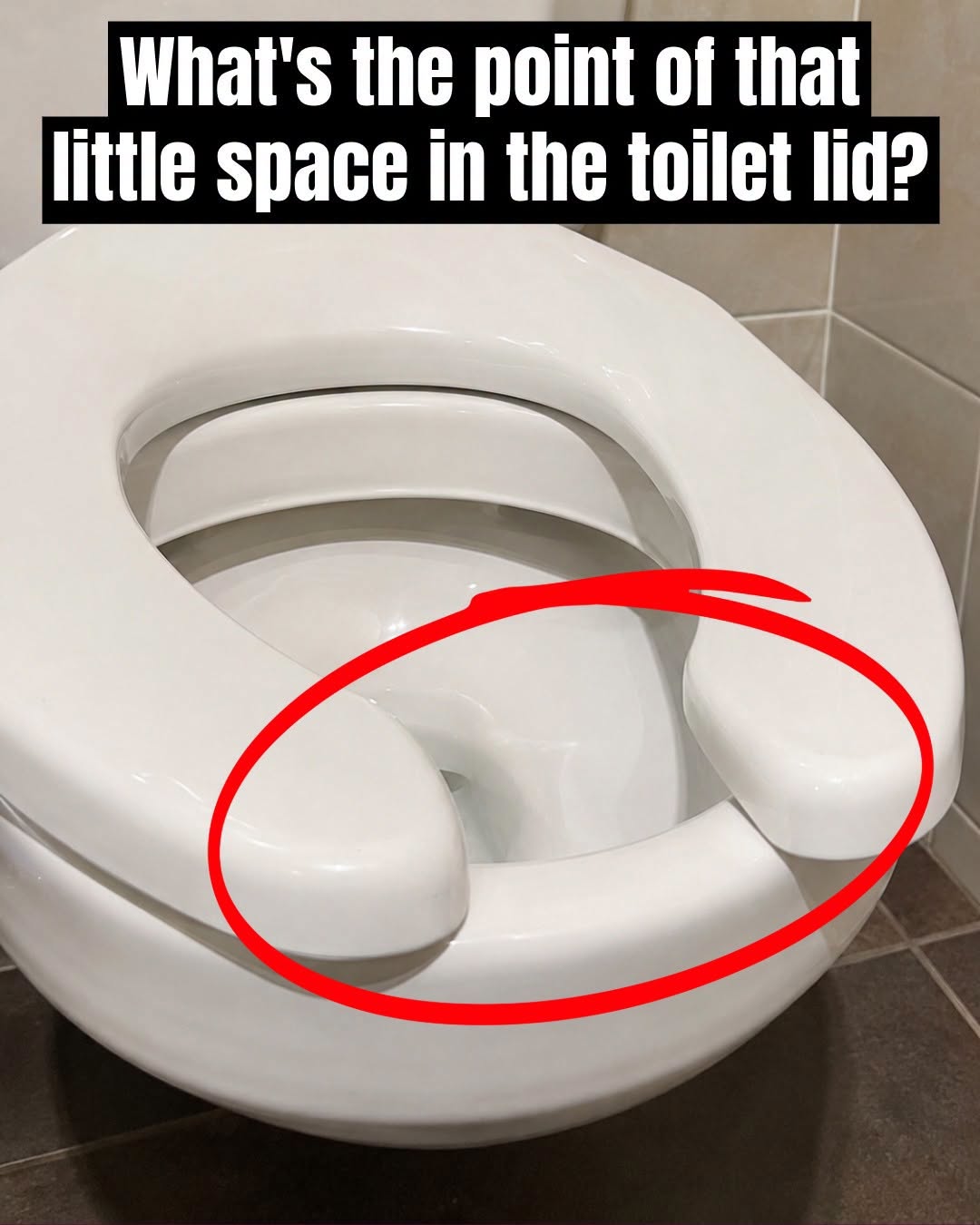
If you’ve ever used a public restroom, you’ve probably noticed that many toilet seats have an open-front or U-shaped design rather than the fully enclosed seats commonly found in homes. Although most people don’t spend much time thinking about restroom design, this particular feature serves several practical purposes related to hygiene, maintenance, and accessibility.
One of the primary reasons for the U-shaped design is improved hygiene. The open-front seat helps minimize contact between the user and the front portion of the toilet seat, making it especially practical in high-traffic public facilities. This design has long been recommended for many commercial restrooms because it can contribute to a cleaner and more comfortable experience for users. Additionally, the open-front shape often makes restroom fixtures easier to clean and maintain, which is an important consideration in places that serve large numbers of people each day.
There are also economic and practical advantages. Open-front toilet seats generally require slightly less material to manufacture, which can help reduce costs when facilities are outfitting multiple restroom stalls. Their standardized commercial design also makes replacement and maintenance more efficient for businesses, schools, airports, and other public spaces. Because these seats are specifically designed for commercial restroom fixtures, they are less commonly used in residential bathrooms.
While it may seem like a small detail, restroom design is carefully planned with functionality in mind. The familiar U-shaped toilet seat reflects decades of practical considerations that balance hygiene, durability, and cost-effectiveness. The next time you visit a public restroom, you’ll know that this simple design choice serves a much larger purpose than most people realize.