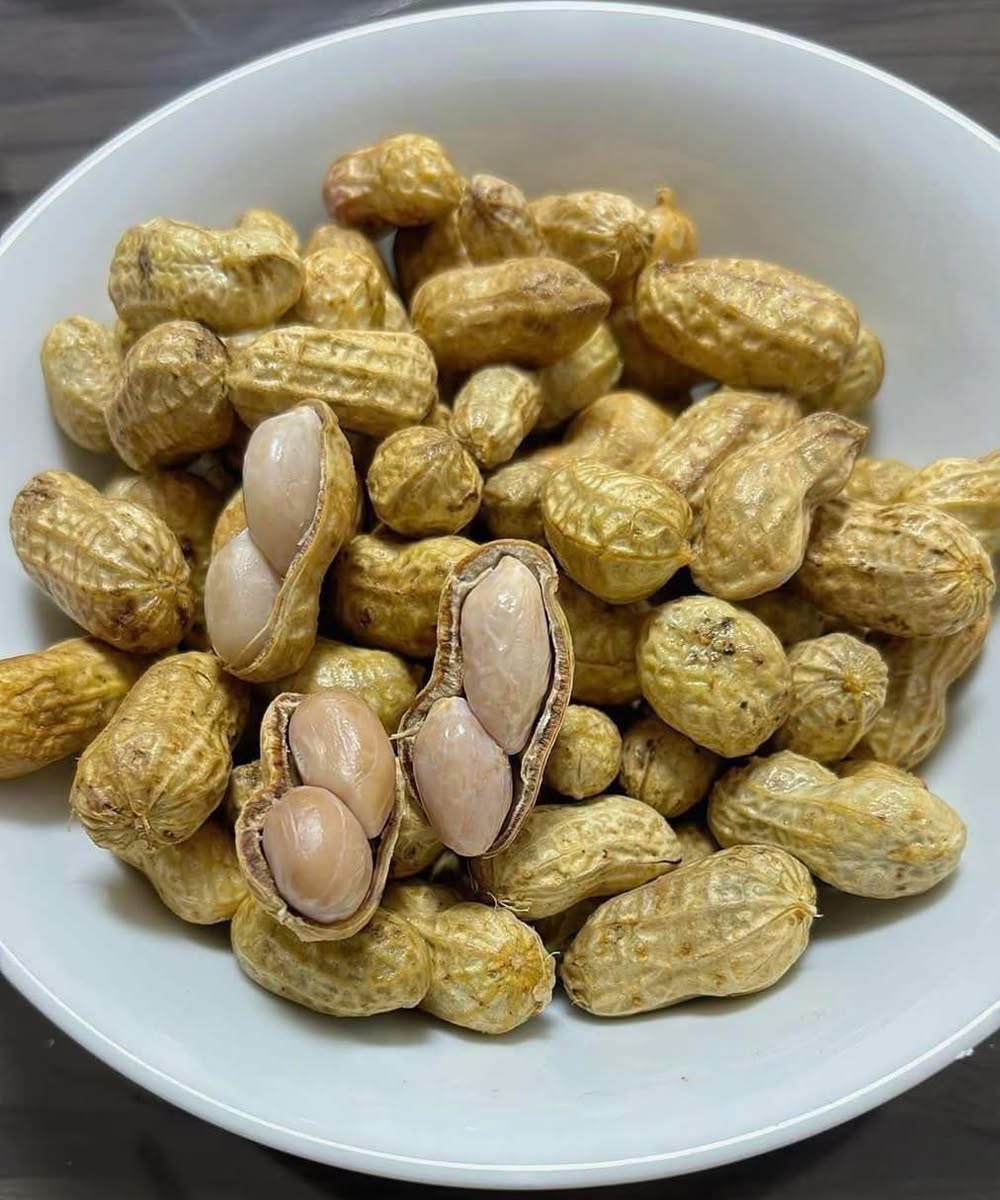
As we age, maintaining good health often depends on making consistent, nutritious food choices alongside regular physical activity and routine medical care. After the age of 60, many people focus on supporting heart health, preserving muscle strength, and maintaining cognitive function. While expensive supplements often receive attention, one affordable and nutrient-rich food that deserves consideration is the humble peanut. When eaten in moderation as part of a balanced diet, peanuts provide a combination of protein, healthy fats, fiber, vitamins, and minerals that can support healthy aging.
One of the biggest nutritional advantages of peanuts is their heart-friendly fat profile. They contain predominantly monounsaturated and polyunsaturated fats, which can help maintain healthy cholesterol levels when they replace foods high in saturated fat. Peanuts are also a good source of magnesium, a mineral involved in muscle function, nerve signaling, and maintaining normal blood pressure. Together with a diet rich in fruits, vegetables, whole grains, and lean proteins, moderate peanut consumption may contribute to overall cardiovascular wellness.
Peanuts may also help support healthy brain function. They contain nutrients such as vitamin E, niacin, folate, and resveratrol, which play important roles in normal nervous system function and protecting cells from oxidative stress. While no single food can prevent age-related cognitive decline, consuming a variety of nutrient-dense foods has been associated with better brain health over time. In addition, the protein and healthy fats found in peanuts can help promote steady energy levels and increase feelings of fullness between meals.
Another benefit of peanuts is their convenience and versatility. They can be enjoyed as a snack, sprinkled over salads, added to oatmeal or yogurt, blended into smoothies, or used as natural peanut butter without added sugars or excessive sodium. Because peanuts are calorie-dense, portion control is important, with a small handful often providing plenty of nutritional value. Combined with regular exercise, adequate sleep, and routine healthcare, peanuts can be a simple and affordable way to support overall health and well-being throughout the later years of life.