
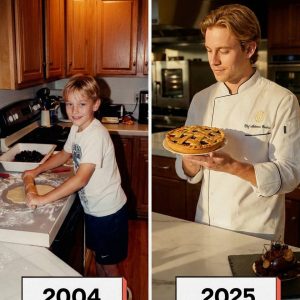
Losing my parents at ten shattered my world in a way words barely cover. One moment there was noise and warmth, and the next there was quiet, cold, and confusion no child should carry. In the aftermath, my aunt stepped forward with grand gestures and reassuring words, promising stability. But once the sympathy faded, so did the kindness. I learned early how to make myself small—sleeping on a floor mattress, staying out of the way, and treating survival as something I had to earn rather than something I deserved.
Understanding betrayal came slowly. I was told money left by my parents was being “handled,” and I trusted that explanation because trust is what children do. Over time, the signs became impossible to ignore—upgrades to her lifestyle, opportunities poured into her children, and constant reminders that I should feel lucky just to have a roof over my head. Each time I questioned it, gratitude was used as a leash. That was the lesson: asking for fairness came with consequences, so silence felt safer.
Eventually, distance replaced obligation. I was sent away under the guise of opportunity, and contact faded until it disappeared altogether. When I tried to return to something familiar, even that was gone—sold, erased, and taken from me without a word. Survival became practical and lonely. I worked relentlessly, saved obsessively, and found refuge in routine. Baking became more than a skill; it became control, comfort, and purpose. Building a small bakery gave me something I had never truly had before—a place that belonged to me.
Years later, when she reappeared asking for help, I faced a choice between resentment and boundaries. I opened the door out of empathy, not obligation, but quickly recognized the old patterns returning. It was a final reminder that some people don’t come back for connection—they come back for access. The lesson was clear and lasting: healing isn’t just about forgiving the past, it’s about learning how to protect your future. And sometimes, the most powerful step forward is choosing yourself without apology.