
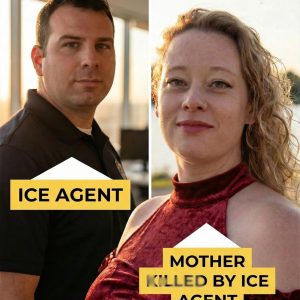
The January 2026 Minneapolis encounter that resulted in the fatal shooting of Renee Nicole Good has once again captured national focus after authorities confirmed the identity of the federal agent involved. Court records and media reporting have identified the officer as Jonathan E. Ross, a long-serving U.S. Immigration and Customs Enforcement (ICE) agent who has been with the agency’s Enforcement and Removal Operations for several years. The release of his name followed public pressure for more openness around a case already generating widespread concern.
For many observers, knowing the officer’s identity added fuel to ongoing debates about federal enforcement tactics and accountability. Ross’s professional history includes service in the U.S. Border Patrol and extensive law enforcement experience, including past roles as a firearms and active-shooter instructor. Records show he also served in the Indiana National Guard and participated in overseas military operations before joining ICE. These details have been cited in official defenses of his actions, but they have done little to satisfy critics who question how such training influences decision-making in volatile situations.
Alongside the name confirmation, reactions from public officials and community members have highlighted broader concerns about transparency. Federal authorities have maintained that the officer acted in self-defense during a rapid escalation, a position supported by some national leaders. Yet local leaders in Minneapolis and Minnesota officials have challenged the official narrative, seeking independent investigation and clearer access to evidence. Some civil liberties experts and advocacy groups say the release of the officer’s name underscores the urgent need for comprehensive review of training, use-of-force policies, and interagency oversight.
Amid these discussions, many residents and supporters continue to remember Renee Good for her compassion, creativity, and commitment to her community. Vigils, tributes, and public gatherings have honored her memory and drawn attention to the lasting impact of the incident on her family and neighbors. As investigations proceed, calls for accountability and systemic change remain central to ongoing public conversations about how law enforcement engages with civilians and how transparency can help bridge gaps in trust.