
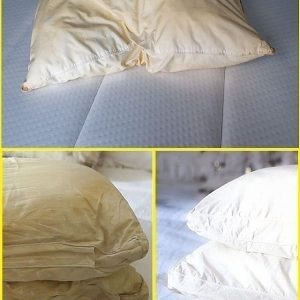
Pillows absorb more than we realize. Even with pillowcases and protectors, they gradually collect sweat, skin oils, dust, and allergens, which can cause yellowing, odors, and reduced comfort. Over time, this buildup can affect sleep quality and trigger allergies or congestion. Keeping pillows clean isn’t just about looks—it’s a simple way to support better hygiene and more restful sleep.
The first step is knowing how to wash them properly. Always check the care label, but most synthetic and feather pillows are machine-washable. Use warm water with a mild detergent, and wash two pillows at once to keep the machine balanced. Adding a small amount of baking soda or white vinegar can help neutralize odors and brighten fabric naturally. Skip harsh bleach, which can weaken fibers and shorten the life of the pillow.
Drying matters just as much as washing. Pillows must be completely dry to prevent lingering smells or moisture-related issues. Use a low-heat setting and add dryer balls or clean tennis balls to help break up clumps and restore loft. Feather and down pillows often need extra drying time, so pause the cycle and check that the inside feels fully dry before putting them back on the bed.
Between washes, small habits make a big difference. Air pillows outside occasionally, use pillow protectors under your cases, and avoid eating or wearing makeup in bed to limit stains. Washing pillows every few months helps keep them fresh, fluffy, and comfortable year-round. With just a little routine care, pillows stay cleaner longer—and your sleep environment feels noticeably better.