
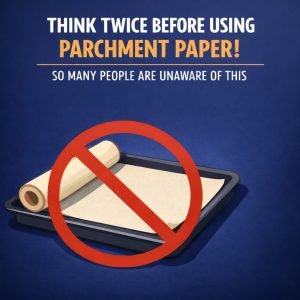
Parchment paper earns its place in the kitchen because it makes cooking easier. Baked goods lift cleanly, roasted foods don’t cling, and cleanup is quick. Because it feels so reliable, many cooks assume it’s safe in any situation. The reality is more nuanced. Parchment paper has clear temperature limits, and ignoring them—especially during high-heat cooking—can lead to issues that affect both food quality and safety.
The nonstick surface of parchment paper comes from special coatings, most commonly silicone. Silicone-coated parchment is designed to tolerate moderate oven temperatures, usually up to about 420–450°F depending on the manufacturer. When used above that range, the coating can start to degrade. Signs include browning, brittleness, and a sharp or chemical-like smell. These changes don’t mean instant danger, but they do indicate the paper is no longer performing as intended.
Problems are more likely when parchment is used for high-temperature roasting. Many recipes call for ovens set to 475°F or higher, which pushes parchment beyond its comfort zone. At those temperatures, the paper can scorch, crumble, or release tiny flakes onto food. While it doesn’t typically burst into flames, the breakdown can affect taste, texture, and the overall cooking environment. Older or less common parchment types, such as those coated with quilon, raise additional concerns when exposed to excessive heat.
Using parchment paper wisely is the key. Always check the packaging for the recommended temperature limit and stay within it. For hotter cooking, switch to alternatives like silicone baking mats, lightly greased metal pans, or foil coated with oil. Unbleached parchment can also be a better option when used properly. Parchment paper isn’t something to avoid—it’s something to understand. With a little attention to heat, it remains one of the most helpful tools in a well-run kitchen.