
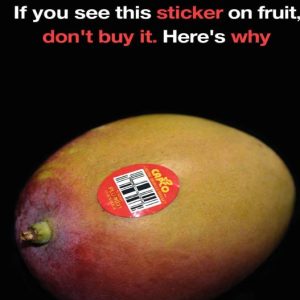
Those small stickers on fruits and vegetables are easy to overlook, yet they quietly carry useful information. Known as PLU (Price Look-Up) codes, the numbers were originally designed to help cashiers identify produce quickly. Over time, shoppers have discovered that these codes can also offer clues about how food is grown. With more people paying attention to sourcing and sustainability, understanding these numbers has become a simple way to shop with greater awareness.
The first thing to know is how the numbering works. A four-digit PLU code generally means the produce was grown using conventional farming methods. When the code has five digits and starts with a 9, it identifies organic produce. You may also hear about codes beginning with an 8, which were once intended to label genetically modified items, though they are rarely used in practice today. While not every concern about food production can be resolved by a sticker, these numbers offer a helpful starting point.
Understanding the difference between growing methods adds useful context. Conventional agriculture has played a major role in increasing food supply and keeping prices accessible, but it has also been linked to environmental challenges such as soil depletion and water contamination in some regions. Organic farming emphasizes soil health, biodiversity, and reduced chemical use, which many people see as a more sustainable long-term approach. Each method comes with trade-offs, and personal priorities often guide which matters more.
Learning to recognize PLU codes allows shoppers to align everyday purchases with their values, whether those values center on environmental impact, farming practices, or personal preference. When combined with buying seasonal and locally grown produce, this small habit can support a more thoughtful food system. Paying attention to simple details like produce stickers turns routine grocery trips into intentional choices—proof that even small bits of information can empower better decisions at home.