
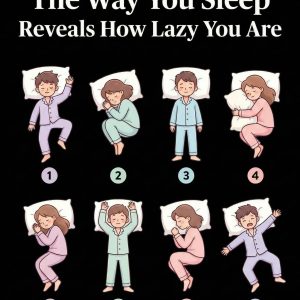
The way you drift off at night often feels unplanned, yet the position you settle into again and again may quietly reflect how you move through your days. After responsibilities are handled and distractions fade, your body defaults to what feels most natural. While sleep habits aren’t a blueprint of personality, they can offer gentle insight into how you carry responsibility, manage stress, and allow yourself to rest.
If you tend to sleep flat on your back or stretched out, it often follows days filled with structure and accountability. People who favor these positions are commonly dependable, goal-focused, and comfortable stepping into leadership roles. They give generously of their time and energy, sometimes pushing themselves hard to meet expectations. For them, nighttime is when control finally releases, making consistent, restorative sleep especially important to avoid exhaustion.
Those who curl onto their side, often hugging a pillow or blanket, usually approach work with emotional investment. They care deeply about outcomes and relationships, not just results. Even at rest, their minds may stay gently engaged, replaying conversations or organizing plans. This thoughtful dedication can be a powerful strength, but it also means these individuals benefit greatly from intentional downtime and clear boundaries.
Others settle into sleep with a posture that signals quiet independence—self-reliant, composed, and used to handling things alone. For them, sleep can feel like a brief pause rather than true recovery. Learning to ask for support and allow moments of rest without guilt can make a meaningful difference. In the end, sleep positions don’t measure ambition or success, but they can serve as soft reminders: rest is not a reward—it’s a necessity for balance, clarity, and long-term well-being.