
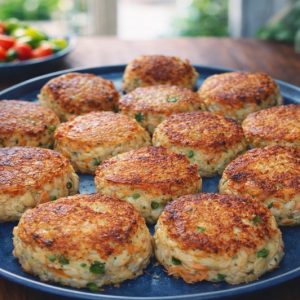
Crab cakes are a classic favorite along the American coast, prized for their delicate texture and rich seafood flavor. Joe’s Crab Shack–style crab cakes are especially popular because they strike the perfect balance: crisp on the outside, tender on the inside, and packed with real crab rather than filler. Making them at home lets you recreate that familiar restaurant experience while choosing fresh ingredients and adjusting flavors to your taste.
The foundation of excellent crab cakes is quality crab meat. Lump or claw crab provides the best combination of sweetness and flaky texture. To complement it, a light blend of mayonnaise, egg, Dijon mustard, Worcestershire sauce, lemon juice, and a mild seafood seasoning adds moisture and depth without masking the crab itself. Breadcrumbs or crushed crackers are used only sparingly—just enough to hold everything together—so the cakes stay soft rather than dense. Fresh herbs like parsley are optional but add a subtle brightness.
Preparation is all about a gentle touch. Start by mixing the wet ingredients and seasonings, then stir in the binder. Carefully fold in the crab meat last, keeping the pieces as intact as possible. Shape the mixture into evenly sized patties and refrigerate them for at least half an hour. This chilling step helps the cakes firm up, making them easier to cook and ensuring they hold their shape.
When it’s time to cook, pan-frying is the best way to achieve a golden crust similar to what you’d expect at a seafood restaurant. Baking works well for a lighter option, especially if you finish the cakes under the broiler for color. The key is to avoid overcooking—crab cakes only need to be heated through. Serve them with a squeeze of lemon, tartar sauce, or remoulade, alongside coleslaw or a fresh salad. Whether as an appetizer or main dish, these homemade crab cakes deliver comfort, flavor, and a touch of coastal indulgence.