
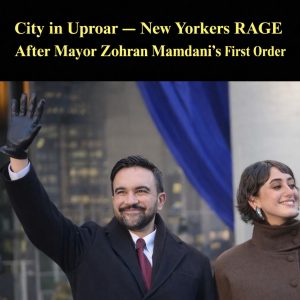
Zohran Mamdani opened his term as New York City’s mayor by quickly translating campaign rhetoric into action, signing a slate of executive orders centered on housing affordability and tenant rights. On his first day in office, he announced the return of the Mayor’s Office to Protect Tenants, a city agency tasked with confronting unsafe living conditions, enforcing housing laws, and assisting renters facing harassment or displacement—an early signal that housing would sit at the core of his administration.
To lead the revived office, Mamdani selected housing advocate Cea Weaver, underscoring a commitment to aggressive tenant enforcement rather than symbolic reform. At the same time, the mayor paired renter protections with development-focused initiatives, launching task forces aimed at speeding up residential construction. One group has been assigned to evaluate city-owned land for housing projects that can be rapidly approved, while another will work to streamline permits and cut red tape that often drives up costs and delays building.
City officials describe the dual-track strategy as an effort to increase housing supply without sacrificing affordability. Supporters argue the approach reflects a pragmatic response to New York’s persistent housing shortage and rising rents. National progressive figures such as Bernie Sanders and Alexandria Ocasio-Cortez have praised Mamdani’s agenda, framing it as part of a broader push to center stability, dignity, and fairness for working families.
Skeptics, however, remain cautious, watching closely to see how the policies affect development timelines, investor confidence, and long-term supply. As these early directives move from paper to practice, tenants, landlords, developers, and policymakers across New York City will be measuring whether Mamdani’s opening moves deliver real progress—or simply reshape the debate around housing access and affordability.