
Most people toss spare change into jars or pockets without ever really looking at it, especially pennies. With such a low face value, they’re easy to ignore. Yet within that overlooked pile of coins, history sometimes hides surprises. Under very specific circumstances, a penny that looks completely ordinary can turn out to be extraordinarily valuable.
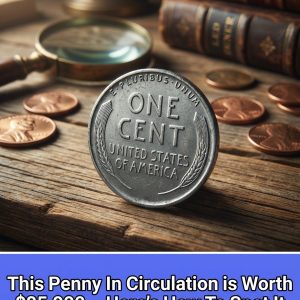
The story begins during World War II, when the U.S. faced severe shortages of copper needed for military equipment. In 1943, the U.S. Mint switched penny production to zinc-coated steel, giving coins from that year a silver-gray appearance. However, a small mistake occurred during the transition. A handful of pennies were accidentally struck on leftover copper blanks from the previous year and released into circulation unnoticed.
Those accidental copper pennies from 1943 are now among the most sought-after coins in American numismatics. Experts estimate that fewer than two dozen authentic examples still exist. Because of their extreme rarity and wartime history, these pennies have sold for tens of thousands of dollars, and in some cases much more, depending on condition and verification.
Checking your own change is simple and risk-free. Look for a penny dated 1943 with a copper color rather than steel gray and the wheat-ear design on the back. A quick magnet test can help—steel pennies will stick, copper ones won’t. If a coin passes those basic checks, a professional appraisal is essential. Stories like this are reminders that remarkable value can sometimes be hiding in plain sight, waiting for someone curious enough to take a closer look.