
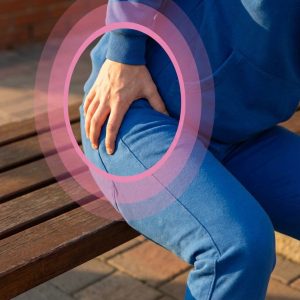
Subtle sensations in the hip—such as clicking, popping, or a faint grinding feeling—are often easy to ignore, especially when they aren’t painful. Many people assume these changes are harmless or temporary. However, because the hip supports nearly every major movement we make, repeated or noticeable changes can be early clues that the joint isn’t moving as efficiently as it should. Paying attention to these small signals is the first step toward protecting long-term mobility.
When unusual hip sensations linger or begin to coincide with stiffness, reduced flexibility, or recurring discomfort, it’s wise to take a closer look. These issues can develop at any age and may be influenced by factors such as previous injuries, repetitive movements, extended sitting, or physical routines that place ongoing strain on the joint. Muscle imbalances and decreased joint stability can quietly shift movement patterns over time, making awareness and early evaluation especially important.
Everyday habits play a powerful role in how the hips feel and function. Maintaining good posture, varying movement throughout the day, and avoiding long periods of inactivity can help reduce unnecessary stress on the joint. Supportive footwear, balanced movement, and being mindful during activities like lifting or twisting can also make a difference. Even small adjustments, practiced consistently, can contribute to smoother, more comfortable motion.
Staying active remains one of the most practical ways to support hip health. Low-impact activities such as walking, swimming, or cycling encourage circulation and joint movement without excessive strain. Strengthening the muscles around the hips, thighs, and core can improve stability, while gentle stretching helps preserve flexibility. By responding early to subtle changes and making thoughtful lifestyle choices, it’s possible to support hip comfort and move with confidence for years to come.