
At first glance, the little finger is easy to miss—small, quiet, and rarely the focus of attention. Yet across cultures and generations, this modest part of the hand has carried unexpected symbolic meaning. Long before modern psychology, people looked to the body for clues about identity and character, creating interpretations rooted in storytelling rather than science. The little finger became one such symbol, not to predict fate, but to invite reflection on traits that often go unnoticed.
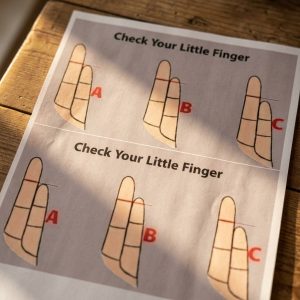
Beyond symbolism, the little finger serves an important practical role. It supports balance, grip strength, and coordination, quietly contributing to everyday actions. Perhaps because of this hidden importance, some traditions linked the little finger with communication and expression. In folklore, a longer little finger was sometimes associated with ease in conversation and social confidence. These ideas weren’t meant as literal judgments, but as metaphors reflecting cultural admiration for openness, trust, and the ability to connect with others.
Other interpretations focus on subtler qualities. Symbolic readings connected to a shorter little finger often highlight introspection, emotional steadiness, and careful observation. Rather than celebrating bold expression, these stories value patience and reliability—the strength of being present without demanding attention. Such symbolism serves as a reminder that not all meaningful qualities are immediately visible, and that quiet consistency can be just as impactful as outward confidence.
Some traditions even consider how the little finger rests when the hand is relaxed. A flexible position has been linked to adaptability, while a firmer posture symbolizes focus and resolve. Gentle curves or stiffness have inspired associations with sensitivity or protectiveness. While none of these ideas claim scientific accuracy, they function as creative prompts for self-awareness. Together, they show how even the smallest details of the human body can spark curiosity, reflection, and a deeper appreciation for the many ways people express who they are.