
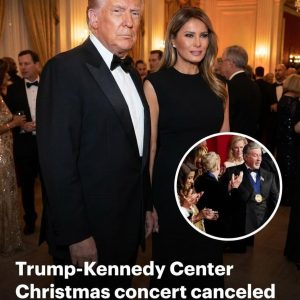
For more than two decades, a Christmas Eve jazz concert at the John F. Kennedy Center for the Performing Arts has been a cherished holiday ritual for music lovers. This year, however, the familiar seasonal gathering will not take place. The Kennedy Center has confirmed that the long-running Jazz Jam performance has been canceled, and no replacement program has been announced. The absence marks a rare break in a tradition that many audiences had come to associate with the spirit of the holidays.
Since 2006, the concert had been guided by jazz drummer and vibraphonist Chuck Redd, who assumed hosting duties after the death of bassist William Keter Betts. Redd recently shared that his decision to step away was deeply personal and tied to recent changes at the institution. According to his statement, a rebranding decision involving the addition of Donald Trump’s name alongside the center’s historic dedication influenced his choice, prompting him to withdraw after years of involvement with the venue.
The rebranding itself has sparked wider discussion beyond the music community. The Kennedy Center was established by Congress in the 1960s as a living memorial to President John F. Kennedy, and some legal experts argue that altering its designation may require congressional approval. Members of the Kennedy family have voiced concern, while President Trump has publicly described the naming update as an honor. These differing perspectives have led to legal scrutiny and ongoing debate about the future direction of the institution.
The canceled concert also comes during a period of broader transition at the Kennedy Center, including leadership and board changes. In recent months, several artists have withdrawn from scheduled appearances, and a federal lawsuit has been filed challenging the authority behind the rebranding. While discussions continue, the absence of the Christmas Eve jazz concert stands as a noticeable pause—one that highlights how organizational shifts can ripple outward, affecting not only policy and leadership, but also the cultural traditions audiences hold dear.