
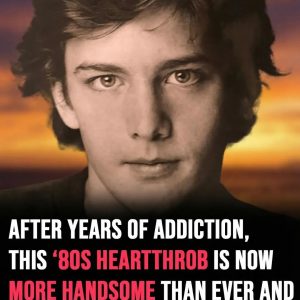
For many moviegoers who came of age in the 1980s, Andrew McCarthy embodied a softer, more introspective kind of stardom. His understated performances offered an alternative to the era’s louder leading men, resonating with audiences drawn to vulnerability and emotional depth. That sensitivity helped propel him into a string of memorable teen dramas, but the speed and intensity of early fame proved far more complicated than the characters he portrayed on screen.
Away from the cameras, McCarthy’s path into acting was anything but conventional. Growing up far from Hollywood, he often felt like an outsider, a feeling that nudged him toward performance as a form of expression. He pursued formal training in New York, though academic challenges disrupted his plans. Then, almost unexpectedly, a casting opportunity arrived—one that would launch his film career and quickly place him in the national spotlight before he had time to find his footing.
As his visibility grew, so did the pressures attached to it. Being grouped with other rising young actors of the decade brought recognition, but it also came with labels and expectations that felt constricting. Internally, anxiety and self-doubt intensified, creating a widening gap between public success and private reality. By the close of the decade, McCarthy made a deliberate choice to step away, prioritizing mental health and personal stability over continued fame—a decision that reshaped his future.
That pivot opened the door to a more sustainable creative life. In the years that followed, he found fulfillment behind the camera, directing television projects that allowed for storytelling without constant exposure. He also discovered a strong voice as a writer, earning praise for travel pieces and reflective essays. Today, McCarthy’s career is defined less by youthful celebrity and more by intention and balance—a reminder that growth doesn’t always follow a straight line, and that redefining success can be its own quiet triumph.