

Making hard-boiled eggs seems simple, yet many home cooks run into the same problems—cracked shells, overcooked yolks, or water boiling over at the worst moment. These frustrations have pushed some people to try a different approach: cooking eggs in the oven. While it may sound unconventional, this method has gained popularity as a low-maintenance option, especially for preparing eggs in larger quantities.
The oven technique is easy to follow and requires very little supervision. Eggs are placed in a muffin tin or shallow baking dish to prevent rolling, then baked at a moderate temperature for about 25 to 30 minutes. Once they’re done, the eggs are transferred straight into an ice bath. This step stops the cooking process and helps cool them quickly, making them easier to handle and store. For anyone tired of watching a pot on the stove, this hands-off method can be appealing.


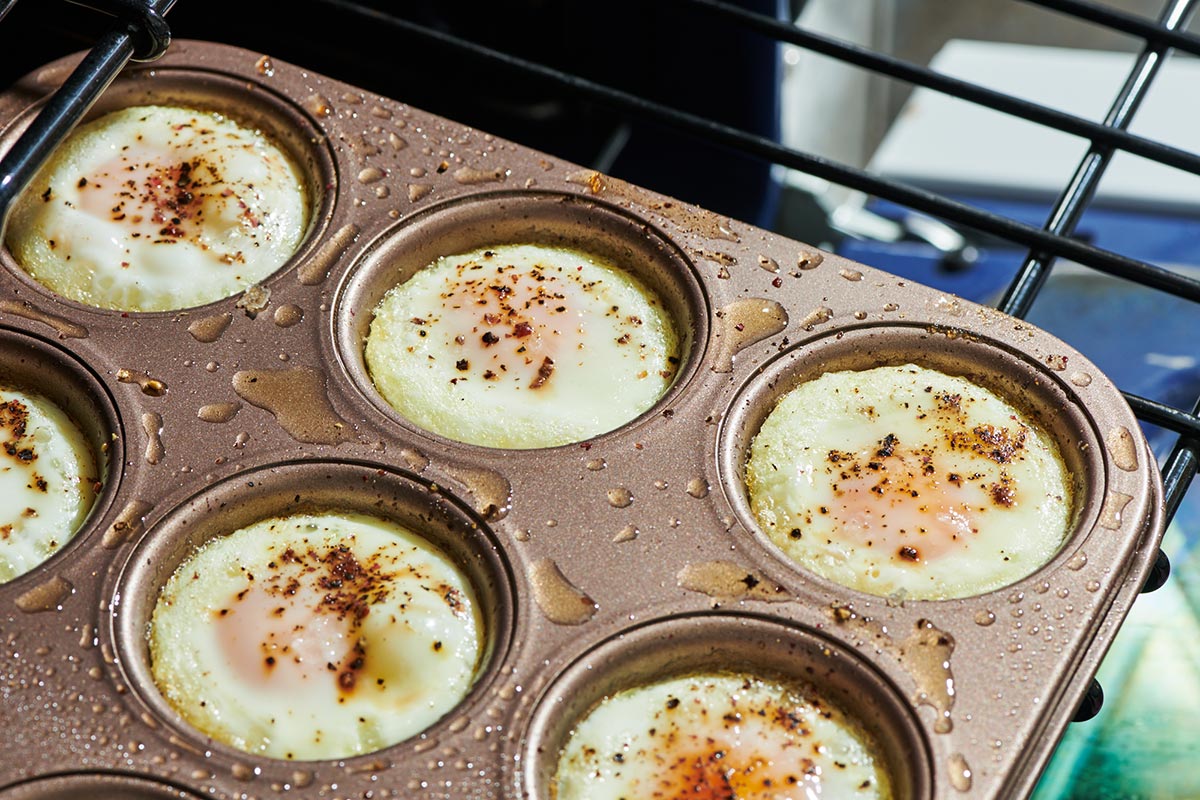
There are some clear benefits to baking eggs. It allows you to cook many at once and avoids cracking caused by rapidly boiling water. That said, it does take longer than traditional boiling and results can vary depending on your oven. Some eggs may develop harmless brown spots on the shell, and timing is important to prevent the whites from becoming too firm.
When it comes to taste and peeling, results are mixed. Oven-baked eggs often have slightly firmer whites, and yolks can dry out if left in too long. Peeling ease depends more on how fresh the eggs are than on the cooking method itself. Overall, baking eggs works well for large, low-effort batches, while stovetop boiling remains the best choice for speed and consistently tender results.