
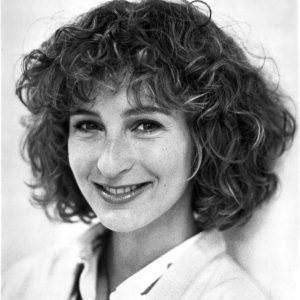
When Jennifer Grey stepped into the role of Frances “Baby” Houseman in Dirty Dancing, she brought an authenticity that felt effortless and deeply human. Her performance resonated with audiences because it was grounded in vulnerability rather than polish, making the love story feel personal instead of performative. The undeniable chemistry she shared with her co-star elevated the film beyond a summer romance, turning it into a cultural touchstone and instantly placing Grey among Hollywood’s brightest rising stars.
Away from the applause, though, her reality was far more complicated. Just before the film reached theaters, Grey experienced a traumatic car accident while traveling abroad. Although she survived physically, the emotional weight lingered. As the movie gained momentum and her career appeared to soar, she was privately processing grief, shock, and guilt—navigating an inner struggle that contrasted sharply with her public image as a joyful new star.
Rather than chasing constant exposure in the years that followed, Grey made a conscious decision to slow down. She continued working, but with intention, allowing herself space to reflect on what success truly meant. This period of stepping back wasn’t about disappearing; it was about recalibrating. By prioritizing healing and self-awareness over speed, she reshaped her relationship with fame and learned to value stability and personal clarity over external validation.
Eventually, Grey began sharing her story with honesty and perspective, reframing her path as one of growth rather than loss. Through later projects and thoughtful interviews, she highlighted the importance of self-acceptance and evolution. Today, her legacy extends beyond a single iconic role. Jennifer Grey stands as an example of how redefining success—on your own terms—can be a powerful act, proving that resilience and reinvention often leave the most lasting impact.