
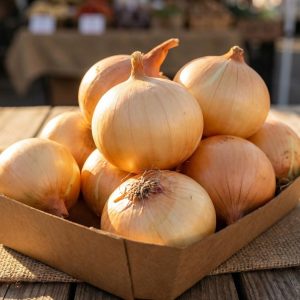
Onions may appear to be one of the most ordinary ingredients in the kitchen, yet nutrition experts frequently note that their value goes far beyond flavor. Used in cuisines across the globe, onions have long served as both a culinary staple and a subtle contributor to overall wellness. Beneath their sharp aroma and layered structure is a collection of natural plant compounds that complement a balanced diet. Affordable, versatile, and simple to prepare, onions offer an accessible way for many households to boost nutritional variety without making major changes to their eating habits.
A key reason onions attract medical and nutritional interest is their antioxidant profile. They contain plant compounds such as quercetin and fisetin, which help the body manage normal oxidative stress. Antioxidants support the body’s natural ability to protect its cells from everyday exposure to free radicals. While onions are not intended to diagnose, prevent, or treat any medical condition, research consistently highlights that diets rich in vegetables and antioxidants are associated with more favorable long-term health patterns. Regularly including onions can be one small way to support the body’s natural defense processes within an overall nutrient-dense diet.
Experts also point to onions’ potential role in supporting bone health and metabolic balance when included as part of diverse, well-rounded meals. Naturally occurring compounds found in onions may contribute to maintaining antioxidant equilibrium and supporting bone strength, particularly when combined with adequate calcium, vitamin D, and physical activity. Onions also contain sulfur-based nutrients and fiber that may support healthy blood-sugar responses as part of a balanced lifestyle—one reason they frequently appear in general wellness-oriented nutrition guidance rather than specialized dietary plans.
Onions contribute to everyday immune support as well, offering vitamin C and additional antioxidants that help the body respond to routine environmental stressors. They can be enjoyed raw, sautéed, roasted, or caramelized, with cooked preparations often gentler for individuals with sensitive digestion. As with any food, moderation and personal comfort levels matter; those who experience discomfort may prefer smaller servings or softer textures. Overall, many doctors and dietitians agree that onions remain a simple, practical, and nourishing addition to daily meals—proof that even the most familiar foods can quietly support long-term well-being when enjoyed mindfully.