
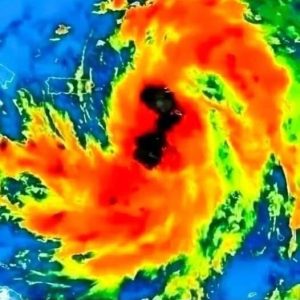
Extreme weather patterns are unfolding across the Caribbean and the southeastern United States this week, placing several communities under simultaneous strain. Instead of facing a single seasonal event, residents and officials are contending with a mix of challenges—flooding, drifting Saharan dust, mild seismic activity, and the early development of tropical systems. Any one of these occurrences would be manageable on its own, but happening together, they have intensified concern throughout the region.
The week opened with a minor earthquake near Trinidad. Though it caused little damage, it added an unsettling layer to an already active period. Meanwhile, parts of Central America have been hit with heavy rainfall, leading to flooding in vulnerable, low-lying communities. Local authorities have been assisting families with evacuations and reinforcing drainage areas as rain continues to fall on already saturated ground.
At the same time, a dense plume of Saharan dust has swept across sections of the Caribbean, creating hazy skies and impacting air quality. Health professionals are advising residents—especially those with asthma or allergies—to limit prolonged outdoor activity. Airlines are also keeping a close watch on visibility as conditions shift. Meteorologists are tracking Tropical Storm Flossie along with several developing systems in the Atlantic, noting that rising ocean temperatures may support additional strengthening in the coming days.
The greatest challenge lies in the overlap of all these events. Emergency response teams are dividing efforts between flood relief, health advisories, and ongoing storm monitoring. Officials urge residents to stay updated through verified weather alerts, maintain emergency supplies, and follow local instructions as conditions evolve. With caution and coordinated action, communities can better endure this unusual period until the weather begins to stabilize.