
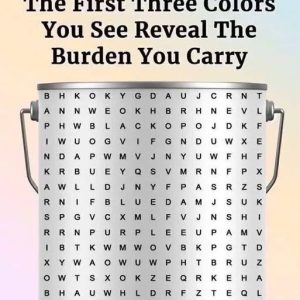
A favorite color rarely feels like a random choice; it often reflects something quieter and more personal—an instinctive pull toward a feeling, a memory, or a sense of comfort. Colors influence us long before we consciously notice their effect, shifting our emotions or shaping the atmosphere around us without saying a word. While it’s easy to assume that liking a color is simply about preference, the shades we’re drawn to often mirror our inner landscape and the environments where we feel most at home. In this way, color becomes a subtle form of self-expression, a language that speaks through intuition rather than logic.
Each hue carries its own emotional resonance. Red is commonly associated with determination, passion, and boldness, often attracting people who seek momentum or a boost of confidence. Blue tends to symbolize calmness, clarity, and emotional steadiness, making it a natural favorite for those who crave peace or focused energy. Purple brings a more introspective tone—linked to imagination, transition, and personal growth. These associations don’t define who we are, but they can hint at what we’re drawn to during different chapters of life.
Color psychology extends beyond personal taste. Brightness, depth, and contrast all influence how we respond emotionally, and cultural backgrounds shape how colors are interpreted. A celebratory color in one culture may represent mourning in another. This is why the shades we choose for clothing, décor, or creative spaces can influence our mood more than we expect. Soft greens may inspire balance, deeper blues support concentration, and warm tones evoke comfort or inspiration. As life shifts, so do our preferences—often without us realizing that our changing routines or emotions are guiding those choices.
Just as the colors we love can reveal something about what we need, the ones we avoid can quietly say something too. Avoiding bold shades may hint at a desire for simplicity or calm, while steering away from muted tones could reflect a craving for energy or warmth. There’s no right or wrong relationship with color—only patterns worth noticing. The next time a shade catches your attention, whether in nature, fashion, or your living space, pause for a moment. Color often expresses what we feel before we find the words, offering a gentle window into how we experience the world around us.