
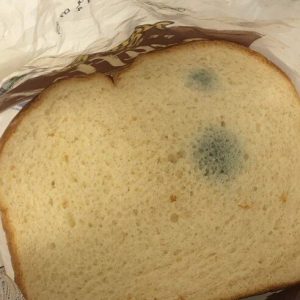
When a loaf of bread sits out too long and begins to feel firm, it’s easy to assume it has gone bad. But dryness alone doesn’t mean it’s unsafe. Bread naturally loses moisture through a process called retrogradation, which changes its texture without compromising safety—so long as mold isn’t present. A hard loaf may be disappointing, but it isn’t harmful, and knowing the distinction helps avoid unnecessary waste.
What many don’t realize is that stale bread can be brought back to life with simple methods. Warming it in the oven while wrapped in foil reintroduces moisture and softens the crumb, while toasting transforms it into something satisfyingly crisp with richer flavor. These quick fixes not only make dry bread enjoyable again but also stretch its usefulness far beyond its first few days on the counter.
In fact, slightly stale bread is often preferred in cooking. Its firmer texture absorbs liquid more effectively, making it ideal for recipes such as French toast, stuffing, bread pudding, croutons, and Italian panzanella. Hard slices can be ground into breadcrumbs, tossed into soups, or layered into savory dishes where their structure becomes an advantage. With a little creativity, what seems like a lost loaf becomes a versatile ingredient.
Spoilage, however, is a different matter. Any sign of green, black, or fuzzy mold means the entire loaf should be discarded—even if it appears in just one spot. Mold roots spread invisibly through bread, and consuming it can cause illness or allergic reactions. Recognizing the line between stale and spoiled allows you to use bread safely and resourcefully, reducing waste while protecting your health.