
In recent years, shoppers have become increasingly attentive to the messages displayed on retail products, especially when a design has the potential to be interpreted in more than one way. Target, one of the country’s largest retail chains, recently found itself at the center of such a conversation after a customer raised concerns about a holiday-themed shirt. While the item appeared in several stores, on shopper felt that the phrase printed on it could be viewed as insensitive and shared her concern online.
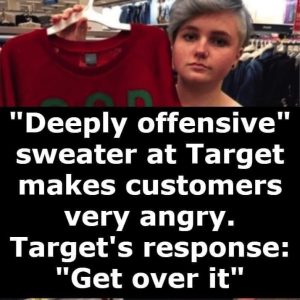
The customer, Reign Murphy, posted a photo of the shirt on social media and explained why she believed the design might be problematic. The shirt featured the phrase “OCD Christmas obsessive-compulsive disorder,” which she felt could be upsetting to individuals who live with OCD. Because the disorder can significantly affect daily life, Murphy worried that using its name as a casual punchline might unintentionally minimize the experiences of those who manage the condition. Her post quickly gained traction and opened the door to a broader conversation.
At the same time, other individuals who identified as having OCD expressed a different reaction. Some said they did not find the shirt offensive and viewed it instead as a playful holiday pun. With perspectives varied across the discussion, Target responded through spokesperson Jessica Carlson, acknowledging the concerns raised and apologizing to anyone who felt uncomfortable. However, the company also confirmed that the shirt would remain available for purchase.
This moment reflects wider conversations happening in retail spaces as consumers increasingly voice how certain phrases or designs make them feel. While some shoppers interpret specific wording as insensitive or reinforcing stereotypes, others see the same products as harmless, context-driven humor. Because reactions can differ widely, considering intention, impact, and the diversity of personal experiences can help guide thoughtful responses when evaluating items on store shelves.