
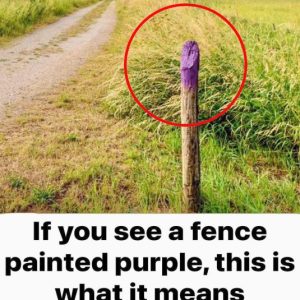
If you’ve ever spotted a streak of purple paint on a tree, fence post, or gate during a hike or drive, you may have walked past more than just a splash of color. In many U.S. states, these markings are not decorative at all—they’re legal warnings. Known as “purple paint laws,” this system allows landowners to mark the boundaries of private property without relying on traditional “No Trespassing” signs. The purpose is simple: create a highly visible, durable signal that clearly communicates where public land ends and private land begins.
Purple was chosen deliberately. It stands out in natural landscapes, resists fading, and remains recognizable even to many people who are color-blind. While posted signs can fall, fade, or be removed, paint stays in place through harsh weather and changing seasons. Originally adopted in Arkansas, this color-coded boundary system has spread to numerous states, becoming a practical and cost-effective way for property owners to protect their land.
The meaning of the markings depends on local regulations. In some states, purple paint means all entry is prohibited without permission. In others, it only restricts certain activities such as hunting, fishing, or trapping. You’ll most commonly see these markings in rural areas, wooded paths, farmland, and along private trails. For property owners, following specific guidelines—such as the height, spacing, and placement of the paint—ensures that the markings are legally enforceable.
For hikers, hunters, and outdoor explorers, knowing this code is essential. Respecting these boundaries helps avoid accidental trespassing, maintains positive relationships with landowners, and prevents potential legal consequences. Whether you’re protecting your own property or simply enjoying the outdoors, recognizing a strip of purple paint is an easy way to stay safe, informed, and courteous while navigating the landscape.