
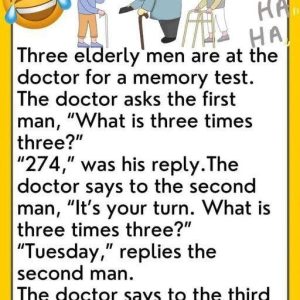
Begin by approaching group activities with openness rather than rigid expectations. What started as a simple memory game at a neighborhood center quickly transformed into a playful exchange of unexpected answers and shared laughter. When plans shift in amusing or surprising ways, allow the moment to unfold naturally — these spontaneous twists often create the most memorable experiences.
Next, use humor as a way to deepen connection. A confident answer like “274” or “Tuesday” may not solve a math problem, but it can instantly lighten the atmosphere. Even the participant who quietly admitted to double-checking the facilitator’s calculator reminded everyone that laughter can disarm tension and spark genuine warmth. Embrace these moments instead of correcting them — they build camaraderie effortlessly.
Then, shift conversations toward shared stories. After the laughter settled, inviting participants to talk about nostalgic adventures, personal hobbies, or unexpected past experiences helped the group bond beyond the game itself. Whether reminiscing about fixing old radios or recounting road-trip memories, storytelling encourages empathy and reminds people of the richness in everyday life.
Finally, create opportunities to repeat those positive interactions. The facilitator recognized the value of that joyful afternoon and turned it into a weekly gathering open to the community. You can do the same at home, at work, or in social circles — propose regular meetups, game nights, or story exchanges. When people feel welcome, heard, and free to laugh, ordinary rooms become vibrant spaces where friendships grow and days feel brighter.