
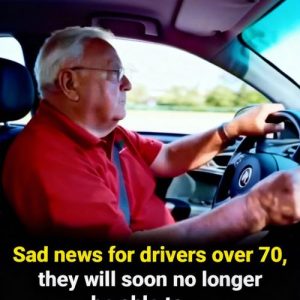
Conversations about older drivers often bring mixed reactions, but the goal isn’t to restrict independence—it’s to help everyone feel safer and more confident behind the wheel. Age alone doesn’t determine a person’s ability to drive. However, small changes in vision, reaction time, or physical comfort can affect how someone manages everyday traffic situations. A practical first step is encouraging gentle, routine check-ins, similar to how students periodically review lessons to stay sharp. These check-ins help older drivers recognize their strengths while identifying areas where extra support might be useful.
Recent events, such as the incident in La Rochelle where an older driver became disoriented and unintentionally put others at risk, highlight why these conversations matter. Situations like this aren’t about blame—they remind families and communities to think proactively about driving readiness. By acknowledging that the demands of the road can change over time, loved ones can create supportive strategies that keep everyone safe without undermining a driver’s dignity.
According to France’s Road Safety Authority, drivers over 75 have accident rates similar to those of very young drivers, though for different reasons. Natural changes in reflexes or sensory perception can play a role, yet France still treats a B license as lifelong unless there is a significant concern. Other countries, including Germany and Italy, already take a more structured approach by offering health assessments at certain ages. These examples show how thoughtful guidelines can give both drivers and families added peace of mind.
Looking ahead, communities may benefit from updating or expanding voluntary evaluations to match the realities of an aging population. Offering optional health checks, encouraging vision and hearing screenings, or providing refresher courses can help drivers maintain confidence while ensuring safety on the road. With open communication and supportive planning, it’s possible to honor independence while fostering a safer driving environment for everyone.