
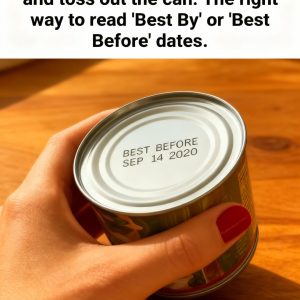
Many homes have a few forgotten cans tucked away on the back shelves—soups, vegetables, beans that quietly collect dust over time. When the printed date has passed, the first instinct is often to toss them out. But most dates on canned foods are actually guides for quality, not warnings of danger. Terms like “Best By” or “Best Before” simply indicate the manufacturer’s estimate of when the flavor and texture will be at their peak, not the moment the food becomes unsafe.
To make mindful decisions, start by understanding how different types of canned goods age. High-acid items like tomatoes, citrus products, and pineapple tend to taste best within a year or so, but they don’t instantly turn bad when that date arrives. As long as they’ve been stored properly—in a cool, dry space away from heat—they may still be perfectly usable. Their seasoning or texture may shift slightly, but they often remain safe far beyond the printed timeframe.
Low-acid canned foods, such as beans, corn, soups, and canned meats, typically last even longer—sometimes up to five years or more. The key is learning how to evaluate a can’s condition. A can that is swollen, leaking, rusted, or sharply dented should always be discarded. After opening, any food that smells unusual, appears discolored, or spurts liquid is a clear sign to throw it away. When a can looks intact and the contents smell normal, it’s usually safe to enjoy, even if the date has long passed.
By taking a careful, informed approach to canned goods, you can reduce food waste, save money, and keep your pantry stocked responsibly. Before deciding to toss an older can, pause to inspect it fully. If everything appears normal, it can still contribute to a nutritious and practical meal. Making thoughtful choices about canned food not only supports your household budget but also promotes sustainability—one small decision at a time.