
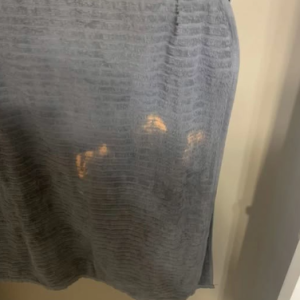
It began with a single, tiny orange mark — barely visible at first — on my favorite gray towel. I tried everything: scrubbing, soaking, switching detergents, even deep-cleaning the washer. But soon, more spots appeared, bright and stubborn, until my towels looked as if someone had splattered them with orange paint. Frustrated, I blamed the water, the detergent, even my dryer. But when I finally dug deeper, I uncovered a surprising truth that changed how I think about towels, skincare, and water quality altogether.
Those orange marks weren’t stains at all — they were color loss. One of the biggest culprits is a common ingredient in acne treatments: benzoyl peroxide. Found in creams, gels, and cleansers, this ingredient doesn’t just leave residue; it bleaches fabric dyes on contact. When it touches towels, pillowcases, or clothing, it strips the color completely, leaving behind orange or yellow patches that can’t be washed away. Even freshly cleaned towels will show new marks if they come into contact with skin or hair products that contain peroxide.
But benzoyl peroxide isn’t the only hidden offender. Tap water with high iron content can cause rusty discoloration that worsens with heat from the dryer. Hair dyes, self-tanners, and pigmented shampoos can leave behind faint tints that only appear once the fabric dries. Even common cleaning sprays may contain mild bleaching agents that, when splashed, create the same stubborn marks days later. Once I understood how many everyday items could be responsible, I realized my “mystery stains” were actually chemistry at work.
Now, a few simple habits have kept my towels spotless. I use white towels when applying skincare, wait until products fully absorb before dressing, and installed a water filter to reduce iron levels. Towels that are already marked get repurposed for cleaning or dyed darker for a second life. What started as a frustrating mystery became a lesson in how small changes — and a little awareness — can make all the difference. The next time you spot an orange mark, don’t stress. It’s not a stain — it’s science, and it can be easily prevented.