
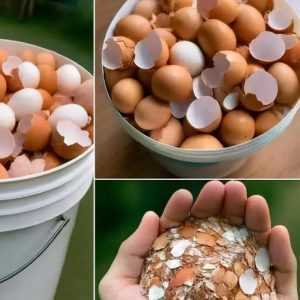
For generations, people have discovered creative ways to make the most of everyday ingredients — and eggshells are one of nature’s simplest yet most versatile resources. Lately, the practice of boiling eggshells has gone viral online, with some claiming it can “boost health” or even “cure disease.” While science doesn’t support those medical claims, boiling eggshells does have real, practical benefits when used correctly and safely in daily life.
Made primarily of calcium carbonate and trace minerals like magnesium and phosphorus, eggshells naturally contain nutrients that can be reused in multiple ways. Boiling them helps sterilize the surface, removing bacteria and releasing trace amounts of calcium into the water. Though this “eggshell water” is not a health remedy, sterilized and finely ground shells can be used in moderation as a natural calcium source — for example, a pinch in smoothies or soups. However, it’s always important to consult a healthcare professional before adding any homemade supplement to your diet.
Outside the kitchen, boiled or crushed eggshells are excellent for gardening. Their calcium content strengthens soil, balances acidity, and supports healthy root and leaf growth. Cooled eggshell water or crushed shell pieces can be sprinkled around plants or added to compost to enrich it naturally. This sustainable practice not only benefits plants but also helps reduce household waste — a small but meaningful step toward mindful living.
Ultimately, boiling eggshells won’t work miracles for your health, but it’s a simple, eco-friendly way to turn waste into value. Whether you’re nourishing your plants or creating a natural source of minerals, this age-old habit reminds us that sustainability often begins with the smallest choices — right at home, one shell at a time.