
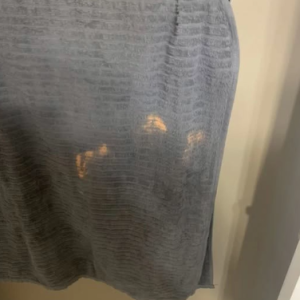
It started one morning when I spotted a strange, bright orange blotch on my favorite gray towel. The color was almost fluorescent, standing out like a highlighter mark against the soft fabric. I assumed it was rust or a forgotten spill and tossed it in the wash, confident a heavy detergent cycle would erase it. But it didn’t. In fact, within a few weeks, more towels began showing the same marks — even pillowcases and a shirt or two. My laundry started looking like it had been splashed with orange paint, and I was determined to find out why.
After a bit of research, I discovered the unexpected culprit: benzoyl peroxide — the common acne treatment found in many face washes and creams. Rather than staining fabric, it actually bleaches the color out, leaving behind bright orange or yellow patches wherever it makes contact. That explained everything. Towels used after skincare routines, pillowcases touched by treated skin, even washcloths used for face cleansing — all became unintentional victims of chemical bleaching.
But that’s not the only reason towels change color. Water rich in iron, especially from older plumbing or wells, can leave rust-like spots that darken with repeated washes. Certain hair products, tinted shampoos, or self-tanners may also transfer subtle pigments that reveal themselves only after drying. Even cleaning sprays with hidden bleach can cause fading long after they’re used, especially if residue lingers on counters or hands before handling fabrics.
Once I knew what caused it, prevention became simple. I now use white towels for skincare, let creams and serums fully dry before dressing, and installed a small water filter to reduce iron levels. For any discolored items, I either repurpose them for cleaning, re-dye them darker, or bleach them completely for a fresh, uniform look. What once felt like a frustrating mystery turned into a quiet lesson: when you understand why something happens, it stops feeling like a problem — and starts feeling like knowledge you can use.