
Honey is one of nature’s most cherished foods — loved for its flavor, sweetness, and versatility in everything from tea to desserts. Yet as global demand grows, imitation honey has become common. Many mass-produced versions are blended with sugar or corn syrup, copying the look of pure honey but not its natural quality or taste. Fortunately, you don’t need lab equipment to tell them apart — a few simple at-home tests can reveal whether your honey is real or not.
When shopping, start by reading labels carefully and, whenever possible, buying from trusted local producers. Genuine honey has a distinct richness, aroma, and texture that imitations can’t truly match. Paying attention to small details — like thickness and scent — ensures you enjoy honey in its pure, natural form. Supporting authentic producers also helps preserve traditional beekeeping and the environment.
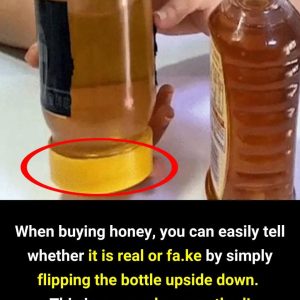
To test honey at home, try the Shake and Flip Test and the Water Drop Test. For the first, shake the bottle a few times, then turn it upside down. Real honey forms slow, thick bubbles that rise gradually and last longer, while fake honey’s bubbles vanish almost instantly. For the second, drop a spoonful into a glass of water — pure honey will sink and dissolve slowly, while diluted honey spreads out quickly, resembling syrup.
Finally, the Crystallization and Thumb Test offer more clues. Over time, genuine honey may crystallize due to its natural sugars, a normal and healthy sign of purity. Fake honey often stays smooth and runny. You can also place a small drop on your thumb — authentic honey stays in place, while blended or watery versions slide off. With these simple checks, you can enjoy the taste and authenticity of true honey — pure, simple, and made just as nature intended.