
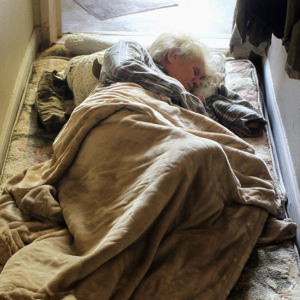
When my mother began chemotherapy, she moved in with us so I could support her through the difficult treatments. Before leaving for a short work trip, I reassured her it would only be one night away and that she would be well cared for. Though my husband, Daniel, and my mother had never been especially close, I trusted he would treat her with basic kindness and respect. She smiled when I left, telling me not to worry.
But when I returned a day earlier than planned, I found her lying on a thin mattress in the hallway, wrapped in a single blanket. She told me Daniel had said the bedrooms were “being treated for mold” and that she should keep it from me so I wouldn’t worry while traveling. My heart broke seeing her shivering and vulnerable when she needed comfort most.
That evening, Daniel behaved as if nothing unusual had happened. The mattress was gone, the hallway looked untouched, and he brushed off my questions. I showed him the photos I had taken of my mother’s makeshift bed, but instead of showing remorse, he tried to justify his choices. In that moment, I realized this was not a misunderstanding — it revealed a lack of empathy I could no longer ignore.
I made my decision then. I told him my mother’s dignity would always come first, even if that meant ending the marriage. Though the choice was painful, it was necessary. My mom remained with me throughout her treatment, and my daughter visited often to spend time with her grandmother. It wasn’t the life I once pictured, but it became a more honest and loving one, built on respect and care where it mattered most.