
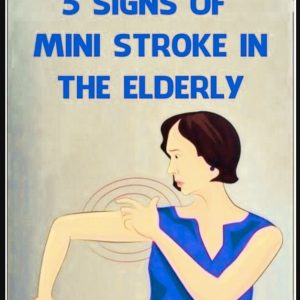
Are you concerned about the health of your elderly loved one? If they’re showing unusual symptoms,
they may be experiencing a mini-stroke, also known as a transient ischemic attack (TIA). These occur
when there’s a temporary disruption in blood flow to the brain, often caused by a clot, blocked or narrowed artery, or plaque buildup.
Common causes in seniors include atherosclerosis or hardening of the arteries.
Other risk factors include high blood pressure, diabetes, high cholesterol, smoking, and certain medications.
Recognizing the symptoms is critical, as TIAs can be warning signs of a full-blown stroke.
Key symptoms include sudden numbness or weakness in the face, arm, or leg (usually on one side),
confusion, difficulty speaking or understanding speech, vision problems in one or both eyes,
trouble walking, dizziness, loss of coordination, and sudden severe headaches with no known cause.
If any of these appear, immediate medical help is necessary. Seniors are at higher risk due to age-related health issues,
and additional risk factors like obesity, alcohol use, smoking, and lack of physical activity also contribute. Treatment typically
involves medications such as blood thinners, antiplatelets, anticoagulants, or thrombolytics to prevent future incidents.
Doctors also recommend lifestyle changes like quitting smoking, limiting alcohol, exercising regularly, and maintaining a healthy diet.
Early medical intervention not only helps prevent future strokes but can also rule out other conditions with similar symptoms, such as low
blood pressure, meningitis, or multiple sclerosis. Acting quickly can make a critical difference in your loved one’s health and recovery.