
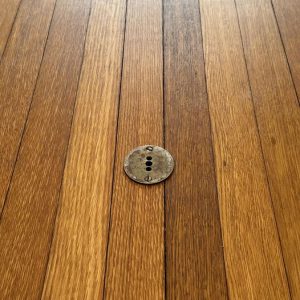
In the grand tapestry of historical domestic architecture and the nuanced ballet
of household management, the old servant call mechanism stands as a fascinating
relic of a bygone era. This ingenious system, a staple in the sprawling manors and
stately homes of the 18th and 19th centuries, provided an elegant solution to the
communication chasm between the gentry and their staff, encapsulating the social hierarchies and technological ingenuity of the time.

The servant call mechanism, often a complex network of pull cords or electric bells,
was a marvel of its era. It comprised a series of strategically placed call buttons or levers
in various rooms, which, when activated, would signal servants in the kitchen, servant quarters,
or butler’s pantry via a bell or a visual indicator on a centralized board. This allowed for discreet
and efficient summoning of assistance without the need for shouting or leaving the room,
preserving the decorum and privacy valued by the upper classes.

Crafted with the precision and elegance characteristic of the period’s craftsmanship,
these call systems were not just functional; they were also decorative. Bell pulls were
often made of ornate materials like brass or silk, featuring intricate designs that blended
seamlessly with the room’s aesthetics. Similarly, the indicator boards, with their rows of
named or numbered flags, were crafted with an eye for detail that made them both a piece of art and a central hub of household operations.
The operation of these systems speaks volumes about the social dynamics of the time.
They underscored the division between the served and the serving, a silent yet omnipresent
reminder of the strict hierarchy that governed the lives within these homes.
Yet, they also highlight the ingenuity applied to everyday problems, marrying form and
function in a way that has since become a hallmark of design philosophy.