
The early 20th century marked the beginning of a transportation revolution, with cars becoming increasingly accessible to the public. With this surge in car ownership came a new challenge: maintaining these vehicles. One critical aspect of this maintenance was regular oil changes, which brought about the need for a tool that could efficiently remove and replace oil filters. Enter the oil filter wrench—a tool that not only simplified the job but also evolved to become a staple in every mechanic’s toolbox. In this article, we explore the early development, functionality, and lasting legacy of the oil filter wrench.
The Early Development of the Oil Filter Wrench
As the automobile industry boomed in the early 1900s, maintaining engines became a priority for car owners and mechanics alike. Regular oil changes were necessary to keep engines running smoothly, and with that came the need to replace oil filters, which trap contaminants in the engine oil. Removing and installing oil filters, however, wasn’t as simple as it sounds. Filters were often tightly screwed on and located in hard-to-reach areas under the engine.
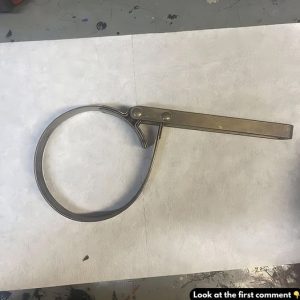
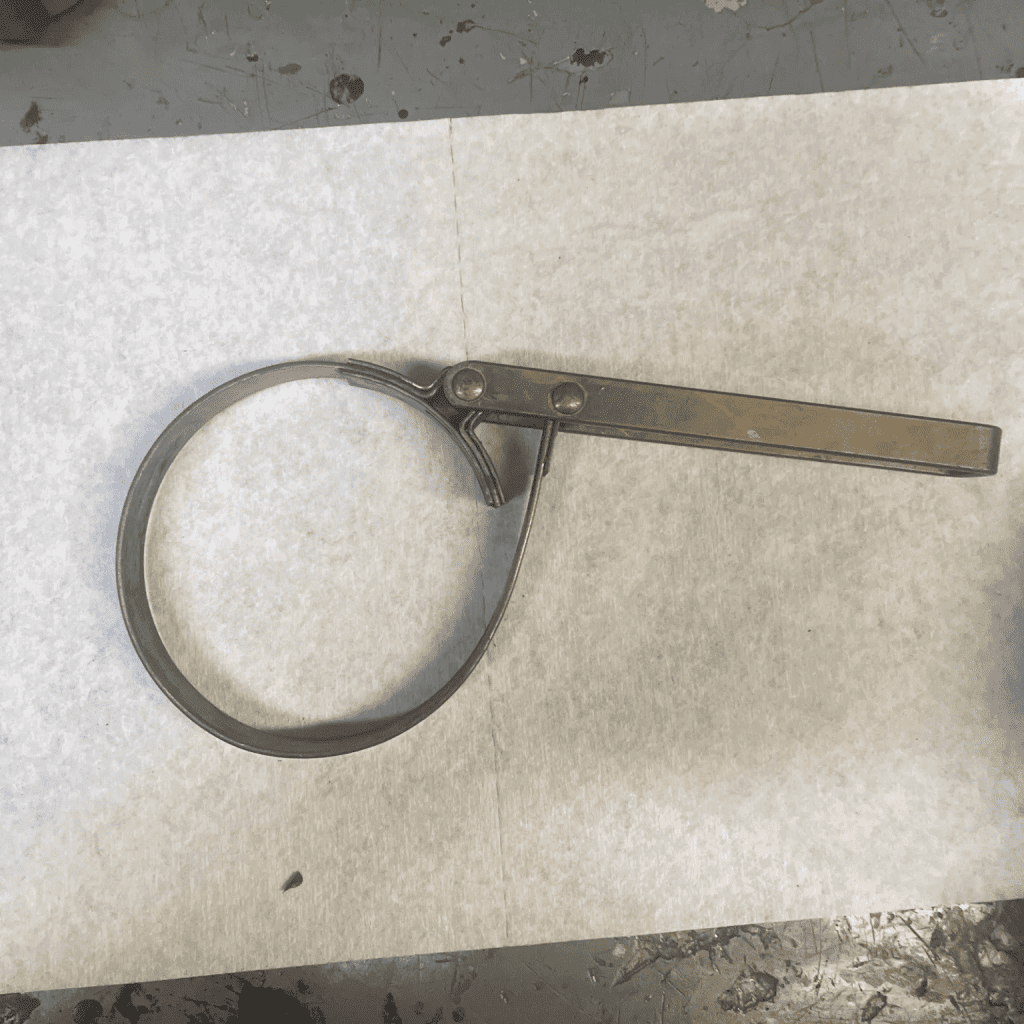
In response to this challenge, the oil filter wrench was developed. The first designs were simple yet effective. Early versions featured a strap or chain mechanism that could be wrapped around the cylindrical oil filter. Mechanics would then apply torque via the handle, easily loosening or tightening the filter as needed. These tools were simple in construction but highly functional, quickly becoming indispensable in garages across the country.

The Rise of Car Ownership and Its Impact on Tool Development
The oil filter wrench’s creation was fueled by the rise of car ownership. As more people bought cars, the need for accessible maintenance tools grew. DIY car repair became a common practice, and mechanics sought tools that could simplify routine tasks, like changing oil filters. The oil filter wrench met this need perfectly. Its straightforward design meant that even amateur mechanics could use it with ease, making it a must-have tool for both professionals and hobbyists.
With increased demand came advancements in the tool’s design. As the automotive industry expanded, so did the variety of oil filters, leading to the creation of different types of wrenches to accommodate various filter sizes and configurations.

How the Oil Filter Wrench Works: The Science of Simplicity
At its core, the oil filter wrench is designed to loosen or tighten oil filters, which are often located in tricky spots underneath the engine. Early models of the wrench, such as the strap and chain types, relied on a simple but effective mechanism. The tool wrapped around the oil filter, gripping it tightly. By applying pressure with the handle, the user could easily break the seal on a stubborn filter, removing or installing it without damaging the part.

Over time, the basic design of the oil filter wrench evolved to include different versions, each offering specific advantages: