
After the unforgettable pinkish slime incident in the bathroom at my grandparents’ house,
I became quite nervous and panicky about mold and other similar nuisances.
If you’ve ever dealt with it, you’ll know—you don’t want mold and dangerous bacteria thriving on your bathroom walls.
Bathrooms, by their very nature, get wet all the time. They’re damp, steamy environments even though I try to clean mine often.
But let’s be honest, it’s challenging to scrub those walls daily, right? Between work,
family, and a bit of a social life, it’s almost impossible. That’s when mold finds its perfect chance to thrive.
So after my run-in with pink mold, which I managed to combat successfully after a bit of research and a lot of elbow grease,
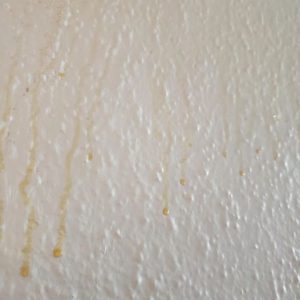
you can imagine my concern when a friend mentioned noticing some yellow stuff dripping
down her bathroom walls. Well, me, once again panicking a lot when it comes to mold, wanted to find out what it was immediately.

What is Mold, and Why is it Dangerous?
Firstly, let’s tackle mold. Mold is a fungus that can grow almost anywhere there’s moisture and organic matter.
It spreads through spores, which float through the air and settle in new locations.
When they land in a damp spot, they grow. It’s not just unsightly; it’s potentially harmful.
Certain types of mold can cause respiratory issues, allergic reactions, and even chronic health
problems if left unchecked. This makes it essential to keep
an eye on any signs of mold growth in often-overlooked places like bathrooms.
When Does Mold Happen?
Mold thrives in moist, warm environments. Think about the conditions
in a bathroom post-shower—steam rises, condensation forms on walls and ceilings,
and without adequate ventilation, this moisture doesn’t dry out.
This provides the perfect breeding ground for mold.
It often starts in corners or near plumbing fixtures and can quickly spread if not addressed.

What Can You Do to Prevent and Fight Mold?
Preventing mold involves controlling moisture in the environment.
Ventilating your bathroom by opening a window or using an exhaust fan during and after showers can significantly help.
Regularly cleaning and drying surfaces where moisture accumulates also keeps mold at bay.
But what if the damage is already done? If mold appears, cleaning it immediately is crucial.
For non-porous surfaces, a solution of bleach and water can be effective. However,
for more stubborn mold, or if you’re sensitive to chemicals, vinegar or hydrogen peroxide
can be good alternatives. It’s vital to wear gloves and a mask during the process
to protect your skin and lungs from harsh chemicals and mold spores.

Identifying the Yellow Stuff
So, back to my friend’s yellow dilemma. The yellow stuff dripping down could be several things:
Nicotine Residue: If previous occupants were smokers, nicotine stains are a possibility. These can seep through paint over time, especially in humid conditions.
Soap Scum and Hard Water Deposits: Regular splashes from soap and mineral-heavy water can leave behind yellowish stains as they accumulate.
Mold and Mildew: Yes, some molds can appear yellow, especially in their early stages.
Oxidized Paint: Occasionally, paint reacts with moisture and oxidizes, resulting in yellowish drips.

How Can You Remove the Yellow Substance?
Each cause has its specific cleaning method:
Nicotine Residue: Washing walls with a mixture of vinegar and water can cut through nicotine stains. For tougher stains, adding a bit of baking soda to the mix can provide abrasive power.
Soap Scum and Hard Water Deposits: A descaling agent or a solution of water and vinegar usually does the trick. Regular applications might be needed to keep these at bay.
Mold and Mildew: As mentioned earlier, a bleach solution or vinegar can help remove these. Ensure the area is well-ventilated during cleaning.
Oxidized Paint: This might require repainting, but priming the area with a stain-blocking primer can prevent future occurrences.

Preventive Measures
Keeping your bathroom clean and dry is the best preventive measure against most of these issues. Regular cleaning, ensuring good ventilation, and using a dehumidifier in extremely damp conditions can help a lot.
Well, I try to keep my house clean, tackling it whenever I can. It’s never too late to call in professionals if the situation becomes unmanageable, but being careful and following these tips should help you maintain a clean, safe home. It’s crucial to remain vigilant and maintain our living spaces in a welcoming and healthy condition!