
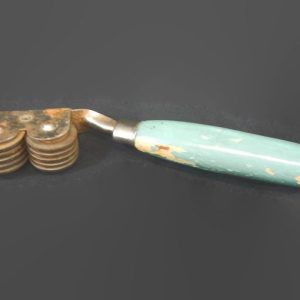
The art of knife sharpening dates back thousands of years, evolving in tandem with the development of blades. Early humans used natural stones to maintain the sharpness of their tools. As civilizations advanced, so did their sharpening techniques. In ancient Egypt, Greece, and Rome, artisans crafted rudimentary sharpening devices using a combination of stone and metal. The medieval period saw the emergence of more sophisticated sharpening tools, including whetstones and honing rods made from harder materials like novaculite.
The industrial revolution of the 18th and 19th centuries brought significant advancements in knife sharpener design. Mechanized sharpeners emerged, incorporating rotating wheels and grinding stones powered by foot pedals or steam engines. By the late 19th and early 20th centuries, mass production techniques allowed for the widespread availability of affordable, efficient sharpeners. Brands like Carborundum and E.C. Simmons Keen Kutter became household names, producing sharpeners that were not only functional but also aesthetically pleasing, often adorned with intricate designs and craftsmanship.
Usage of Vintage Knife Sharpeners
Vintage knife sharpeners come in various forms, each designed for specific purposes and types of blades. Some of the most common types include:
Whetstones: Natural or synthetic stones used with water or oil to sharpen knives. They are known for their versatility and ability to produce a finely honed edge.
Honing Rods: Typically made of steel or ceramic, these rods are used to realign the blade’s edge rather than remove material, maintaining sharpness between more intensive sharpening sessions.
Grinding Wheels: Found in both manual and motorized versions, these wheels use abrasive surfaces to quickly restore a dull blade’s edge.
Handheld Sharpeners: Compact and easy to use, these devices often feature a V-shaped notch with embedded abrasive materials, ideal for quick touch-ups.
Using these vintage tools requires skill and an understanding of the blade’s geometry. Proper technique involves maintaining consistent angles and applying the right amount of pressure. Over time, skilled users can achieve a razor-sharp edge, prolonging the life and functionality of their knives.
The legacy of vintage knife sharpeners lies in their craftsmanship, durability, and the role they played in everyday life. Many of these tools were built to last, often becoming heirlooms passed down through generations. Collectors and enthusiasts today value vintage sharpeners for their historical significance and the glimpse they provide into past technologies and daily practices.
The resurgence of interest in traditional cooking and DIY skills has also spurred a renewed appreciation for these vintage tools. Artisans and chefs alike recognize the superior quality of hand-sharpened blades, leading to a revival in the use of whetstones and other manual sharpeners. Modern manufacturers often draw inspiration from vintage designs, blending classic aesthetics with contemporary materials and engineering.
In addition to their practical use, vintage knife sharpeners are cherished as decorative items. Their intricate designs and the stories they carry make them appealing collectibles. Museums and private collections often showcase these tools, highlighting their evolution and the artistry involved in their creation.
Overall, vintage knife sharpeners symbolize a blend of functionality and craftsmanship. They remind us of a time when tools were made with care and precision, serving as a bridge between past and present culinary practices. Their enduring legacy continues to sharpen our appreciation for quality and tradition in the art of blade maintenance.