
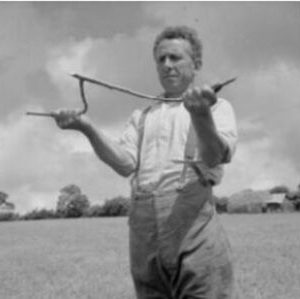
Given how quickly times change and how quickly trends come and go, it’s no wonder that by the time we’re old, we feel as though we’re living in a world many of us don’t recognize.
I’m not just talking about huge changes either, but also the small ones that seem to take place over the course of decades. My grandmother, God rest her soul, was always talking about habits and routines she had when she was young, just as she was always showing us odd instruments and trinkets that no one else in the family recognized.
I can only imagine it’ll be the same for me if I should be so lucky to live as long as she did.
In any case, I guess it’s this sense of nostalgia that makes “what’s this?” articles so popular online. By that I mean those pictures people upload with a desire to know was an familiar object is and what its purpose once was…
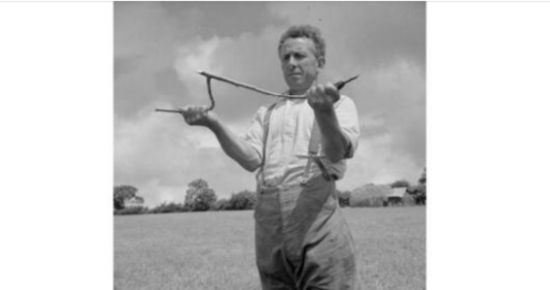
There’s currently a new one doing the rounds, and one that seems to be particularly difficult to get right in terms of what it is and does.
I’ll be the first to admit that I had no idea what the below tool was when I first saw a photo circulating on the internet.
Fortunately, however, there were people who did…
At first glance it looks like a regular, old tree branch, V shaped but otherwise quite unremarkable.
Yet its story as a useful tool for mankind goes all the way back to the 1500s, and a practice known as “Water Dowsing”.
As per reports, the water dowser has several names, including a “diviner”, “doodlebug”, “well witch”, or “water-finder.”
Its primary job? Yep, you guess it: to locate water!
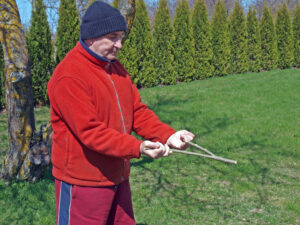
An individual would hold both branches of the stick in each hand, palms facing upwards. The stem of the V (the bottom bit where the two rods meet) is then titled toward the Earth at a 45-degree angle.
The user then walks back and forth, supposedly looking for vibrations at the bottom of the V to promise signs of water hidden beneath the Earth.
Apparently, dowsing with metal rods was a process used to find metals in the ground during the 1500s, though people began to then use the same method to find water for new homeowners living in rural areas.