
Nostalgia in a Modern World
In an age dominated by smart homes and automated gardening systems, the manual edger stands as a tribute to a time when hand tools reigned supreme in home maintenance, highlighting the enduring appeal of traditional methods.
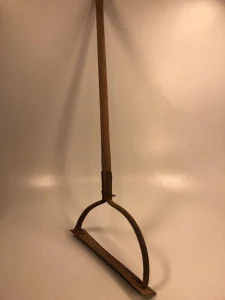
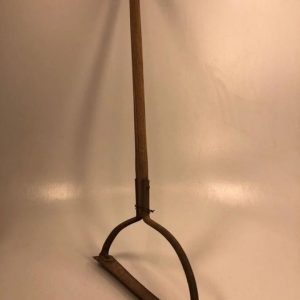
Also known as a step edger or half-moon edger, this tool embodies the essence of a bygone era when weekend yard work was as customary as Sunday dinner. Its design, featuring a T-shaped frame with a serrated semi-circular blade attached to a roughly three-foot wooden handle, exudes both practicality and charm.
For dedicated gardeners, the manual edger transforms into an extension of the body, facilitating a rhythmic and meditative process. By positioning the half-moon blade against the turf’s edge, applying firm pressure to slice through the grass, and pulling back to reveal a clean line, it demands a level of balance and precision unmatched by machines.
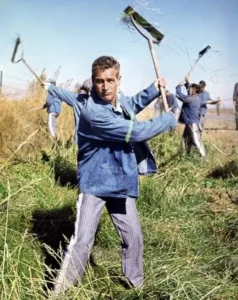
Beyond its utilitarian function, the manual edger fosters a deeper connection with the physical act of improving one’s home. The sweat on the brow and the dirt under the fingernails become badges of honor, narrating stories of personal dedication and care invested in the land.
Amidst a society craving mindfulness and respite from digital saturation, the manual edger offers an escape. It provides an opportunity to disconnect, revel in the outdoors, and engage with the environment in a productive and rejuvenating manner. Its rhythmic motion becomes a therapeutic exercise, allowing thoughts to flow freely as the blade glides through the soil.
The environmental impact of the manual edger is profound. Unlike its gas or electric counterparts, it produces zero emissions, operates quietly, and relies solely on human energy, making it a sustainable choice for environmentally conscious homeowners.
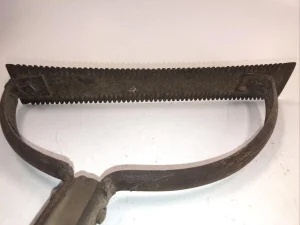
Constructed to withstand the test of time, manual edgers can last for decades, often surpassing their modern equivalents in longevity. Far from being disposable, they are enduring tools capable of being sharpened, maintained, and passed down through generations.